Electrical Fault Finding: How a Fault Is Actually Traced
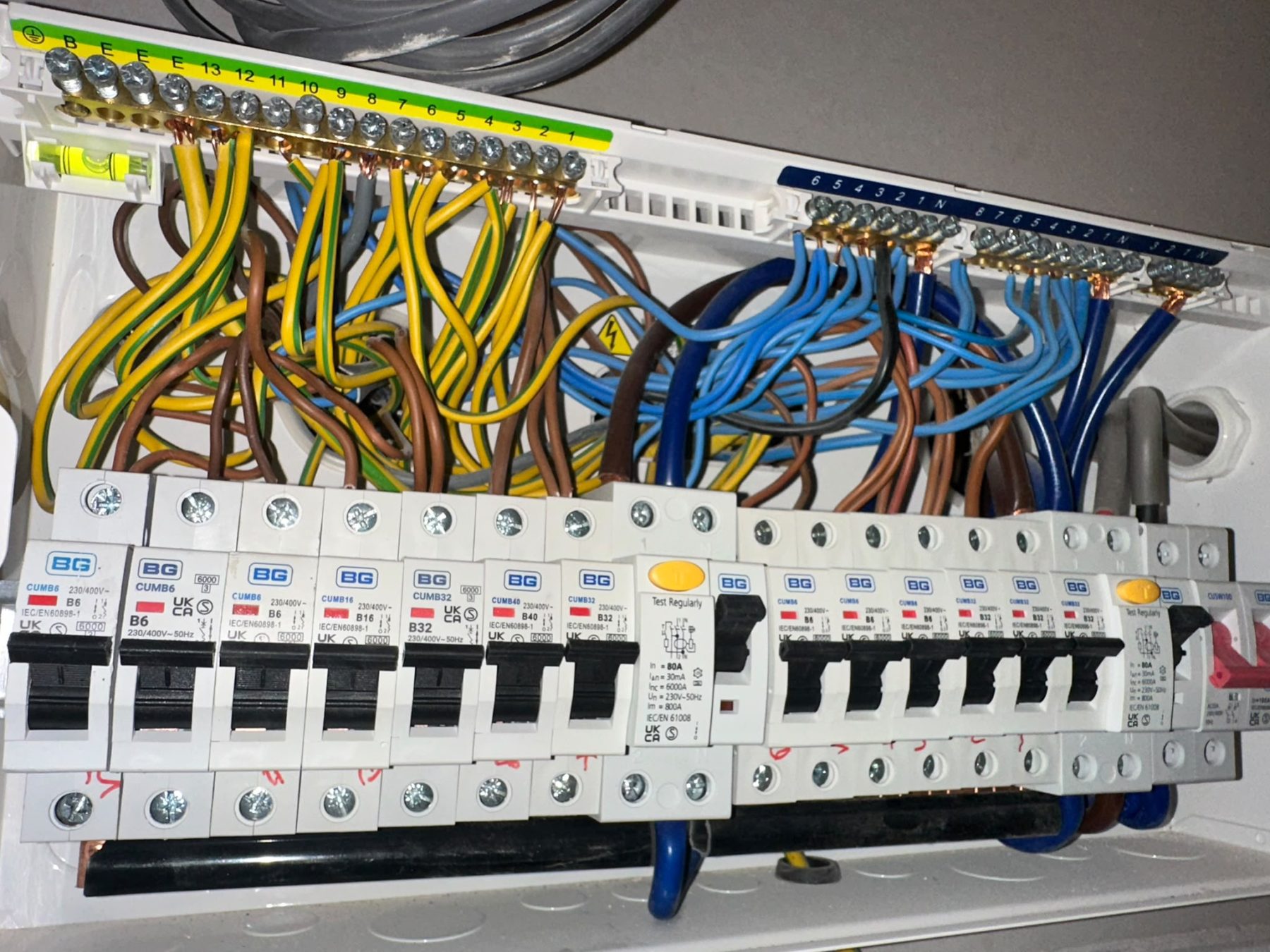
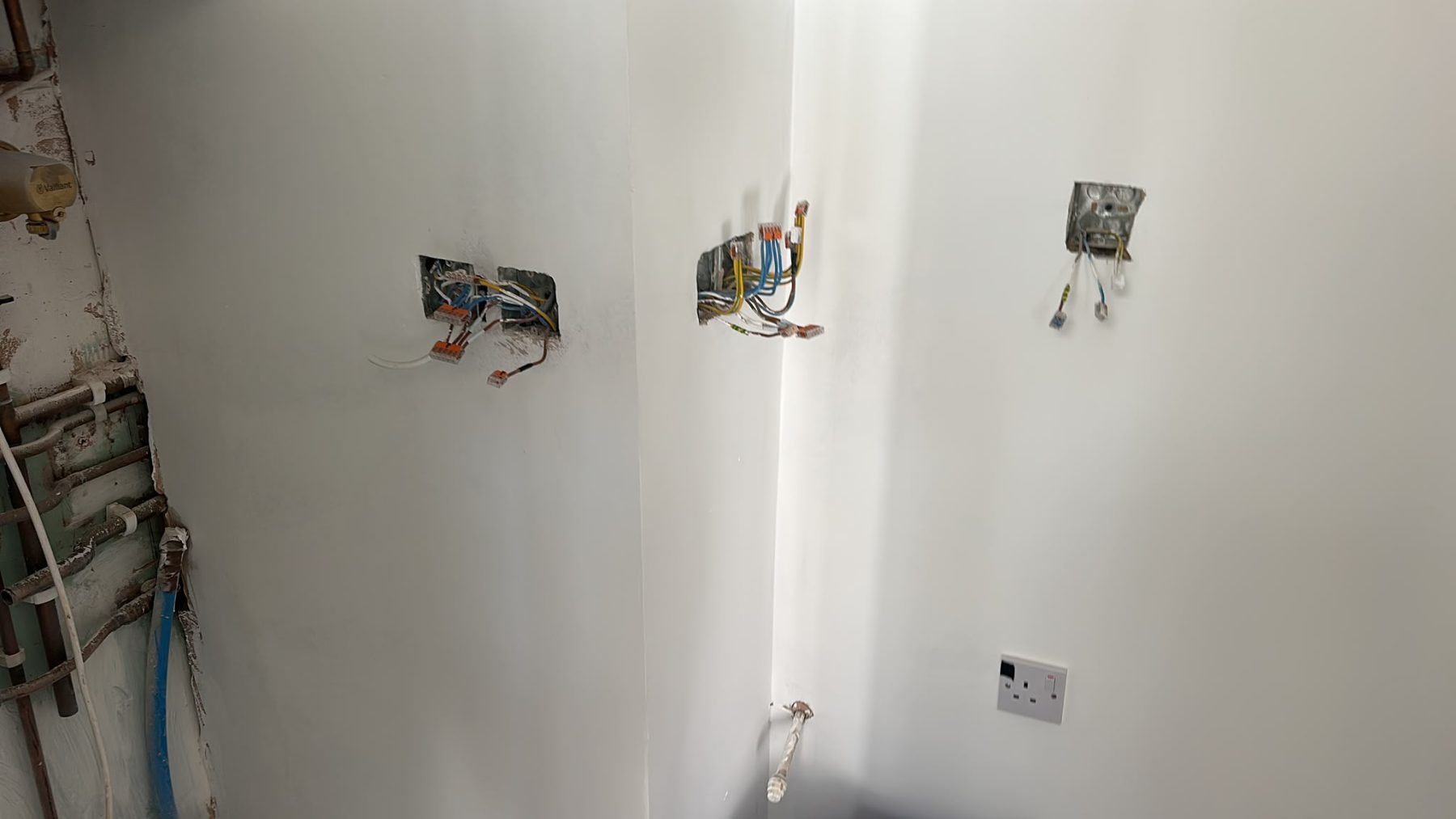
Fault finding is a methodical process, not a hunt. Understanding it explains why it is charged separately from the repair.

BeydilliBright Ltd. — London and the surrounding areas
Insights
Written for London homeowners, landlords, property managers and business owners — what to look out for, what your options are, and when it is worth calling an electrician.
Fault finding is a methodical process, not a hunt. Understanding it explains why it is charged separately from the repair.
Letting property brings specific electrical duties. Handling them proactively is considerably cheaper than handling them reactively.
Some domestic electrical work in England and Wales must be notified to building control. Here is the practical shape of the rules.
Electrical work in a flat is rarely difficult. The complications are routes, permissions and neighbours.
A void period is the cheapest time to do electrical work. Here is what is worth doing while the property is empty.
Rewiring is decided by test results, not by the age of the house. Here is what actually indicates it.
Kitchens concentrate more electrical demand than any other room. Planning it before the units are ordered saves a great deal.
Bathrooms have the strictest electrical requirements in a home, for the most obvious reason.
A garden room needs a designed supply, not an extension lead. Here is what that actually involves.
Extensions are cheap to wire well and expensive to wire badly, and the difference is entirely about when decisions are made.
There is no regulation number. But there is a reliable test, and most homes fail it.
A survey will mention the electrics in a paragraph of caveats. Here is how to find out what it actually means.
Call us
Describe the fault or the job and we will tell you what is involved.
Keep exploring