What Electrical Work Needs to Be Notified?
Some domestic electrical work in England and Wales must be notified to building control. Here is the practical shape of the rules.
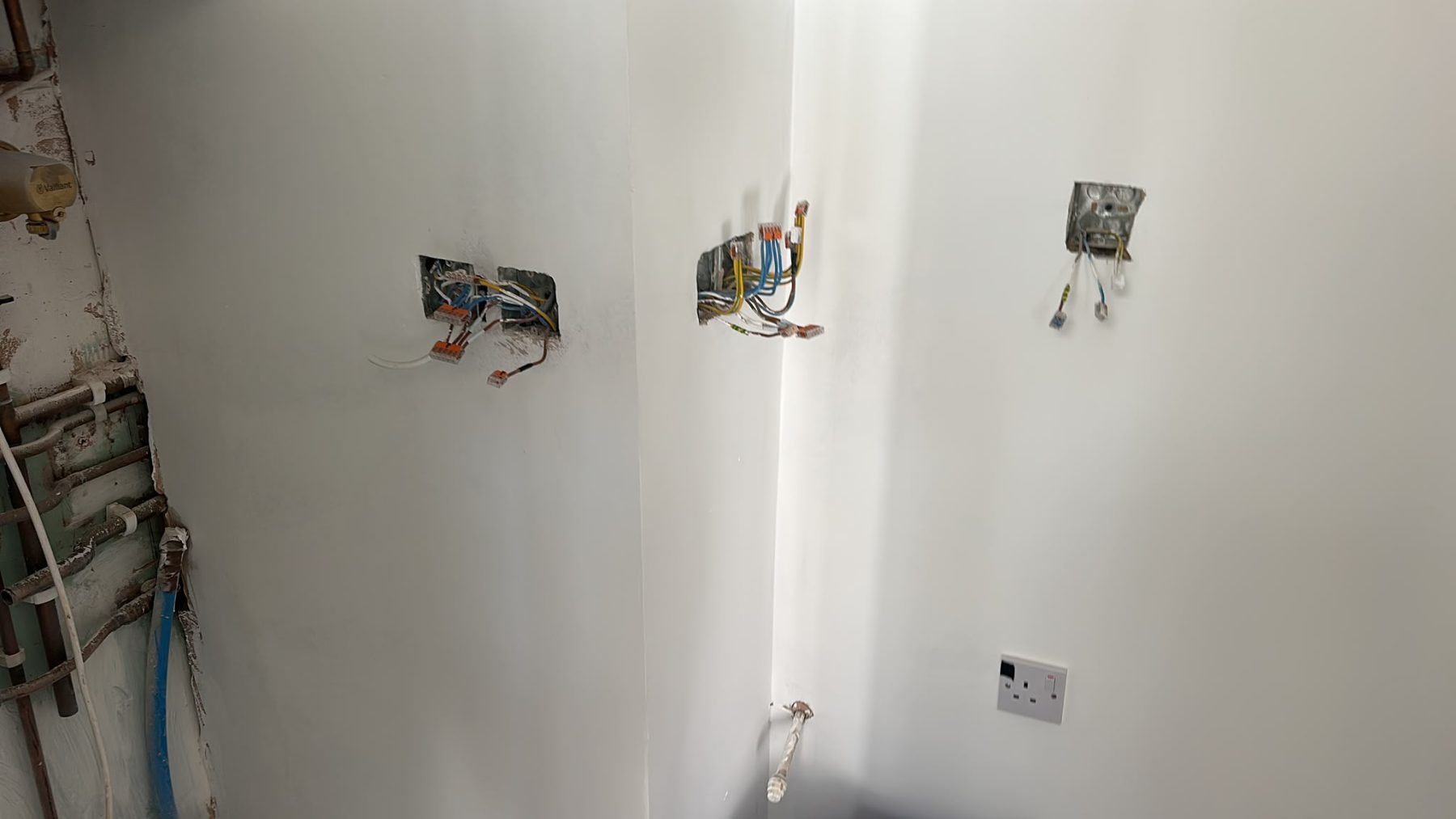
Electrical work in dwellings in England and Wales falls under Part P of the Building Regulations. Certain work must be notified to a building control body — and work that should have been notified and was not becomes a problem at the point you sell the property.
This is a general overview. Requirements differ in Scotland and Northern Ireland, and you should confirm the position for your specific work.
What is generally notifiable
Broadly:
- Installing a new circuit.
- Replacing a consumer unit.
- Any addition or alteration to circuits in a special location — principally rooms containing a bath or shower.
That covers most of the work people think of as significant, and notably includes consumer unit replacement, which is the one most commonly carried out without notification.
What is generally not
Repairs, replacements and maintenance to existing circuits outside special locations — replacing a socket or a light fitting, for instance — are typically not notifiable.
"Not notifiable" does not mean "unregulated". The work still has to comply with the requirements; it simply does not require notification.
The two routes
Competent person scheme. An installer registered with an approved scheme can self-certify their notifiable work and notify building control on your behalf. You receive a certificate, and a notification is lodged with the local authority.
Building control. Notify the local authority before work starts, and they arrange inspection. Slower and generally more expensive.
The first route is why registration matters when choosing an installer for notifiable work.
Why it matters later
When you sell, the buyer's solicitor asks for certification of electrical work. Notifiable work with no paperwork causes delays, price renegotiation, or a requirement for indemnity insurance.
It also matters for insurance. An insurer investigating a claim involving an electrical fire will look at whether the work was carried out and certified properly.
Retrospective certification
If notifiable work has already been carried out without notification, it may be possible to have the installation inspected and a report produced, or to make a retrospective application to building control.
Neither is as clean as notifying at the time, and both cost more. It is worth knowing this before, rather than after.
Our position
[INSERT INFORMATION] — BeydilliBright Ltd.'s competent person scheme registration should be confirmed and stated here, so customers know which route applies to notifiable work.
Ask before the work
If you are not sure whether what you are planning is notifiable, ask. It is a short conversation, and it is much better had beforehand.
Keep reading
Related guides
Why Does My Circuit Breaker Keep Tripping?
A breaker that trips is doing its job. Understanding which of three faults it is reporting tells you how seriously to take it.

Domestic Electrical Safety: What to Check at Home
A short, practical list of things worth noticing in your own home — none of which require tools or any risk to you.
What an EICR Is, and What the Codes Actually Mean
Electrical Installation Condition Reports are full of codes that decide whether you have a problem. Here is how to read one.