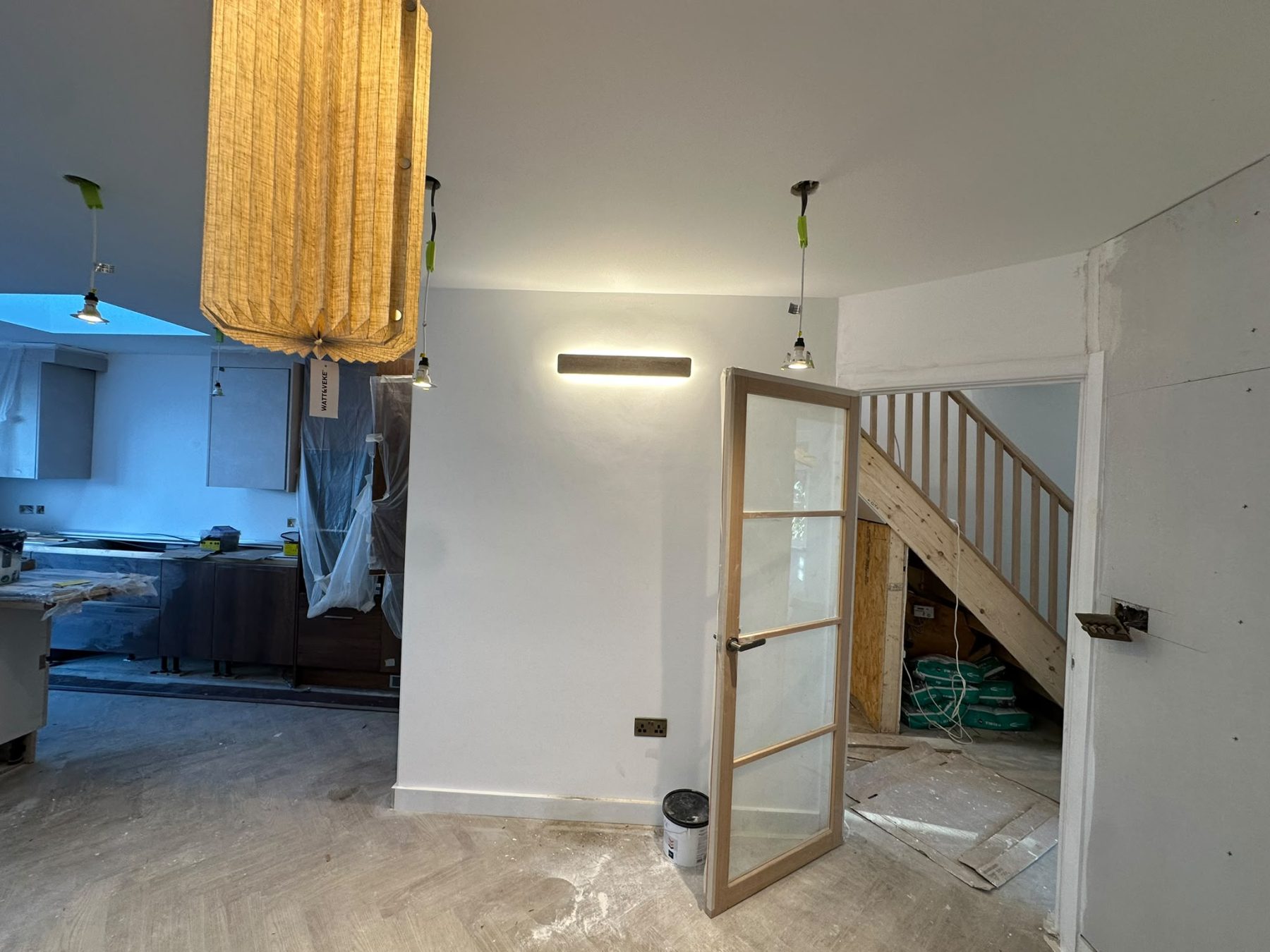
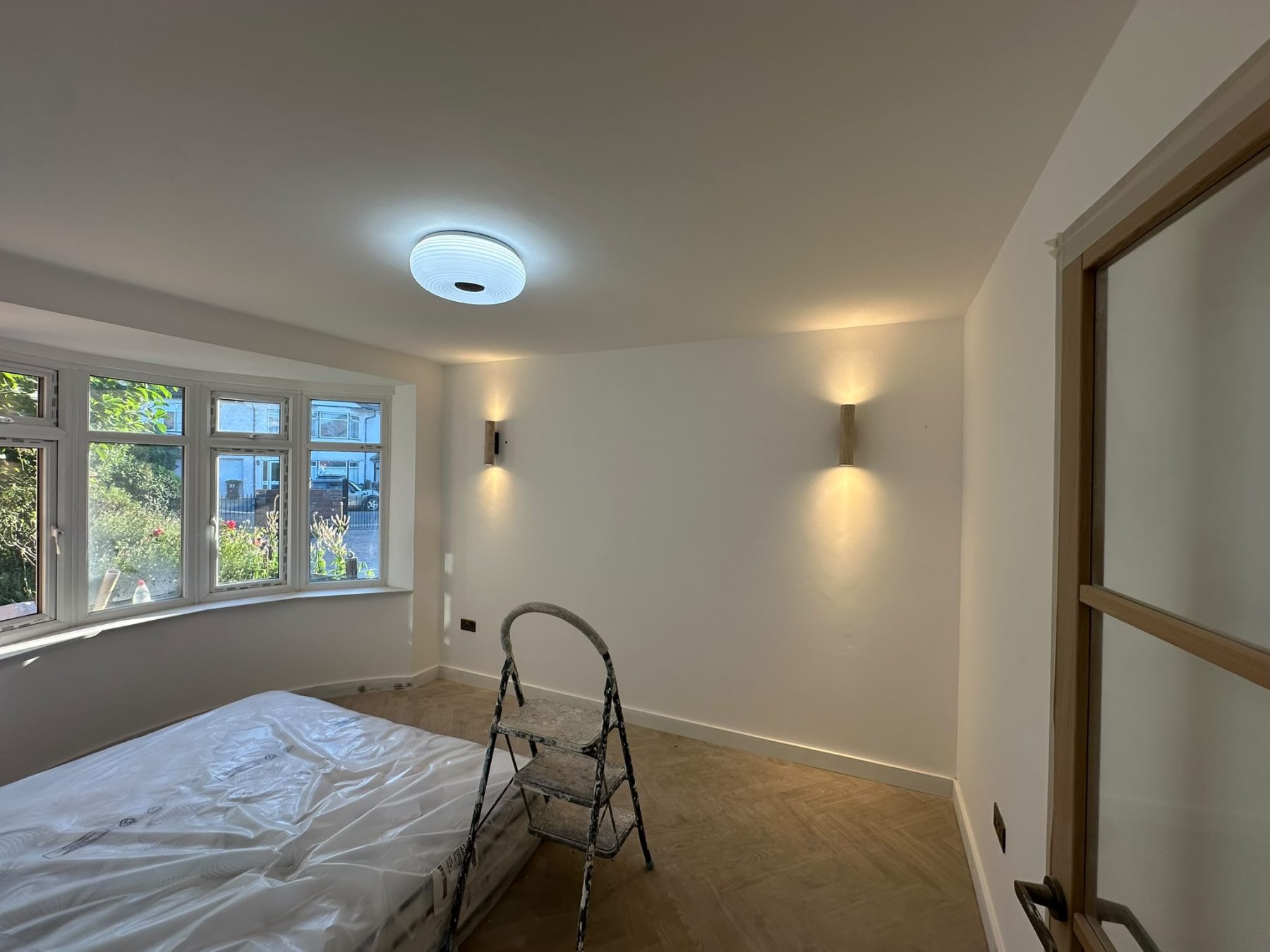
Choosing Lighting for Your Home
Good domestic lighting is layered, consistent and mostly invisible. Here is how to think about it before the fittings are chosen.
BeydilliBright Ltd. — London and the surrounding areas
Insights
Written for London homeowners, landlords, property managers and business owners — what to look out for, what your options are, and when it is worth calling an electrician.
Good domestic lighting is layered, consistent and mostly invisible. Here is how to think about it before the fittings are chosen.
LED upgrades pay back quickly in the right premises — and disappoint in the wrong ones. The difference is mostly product quality.
Most security lighting fails not because it is dim, but because it is aimed badly and triggers constantly.
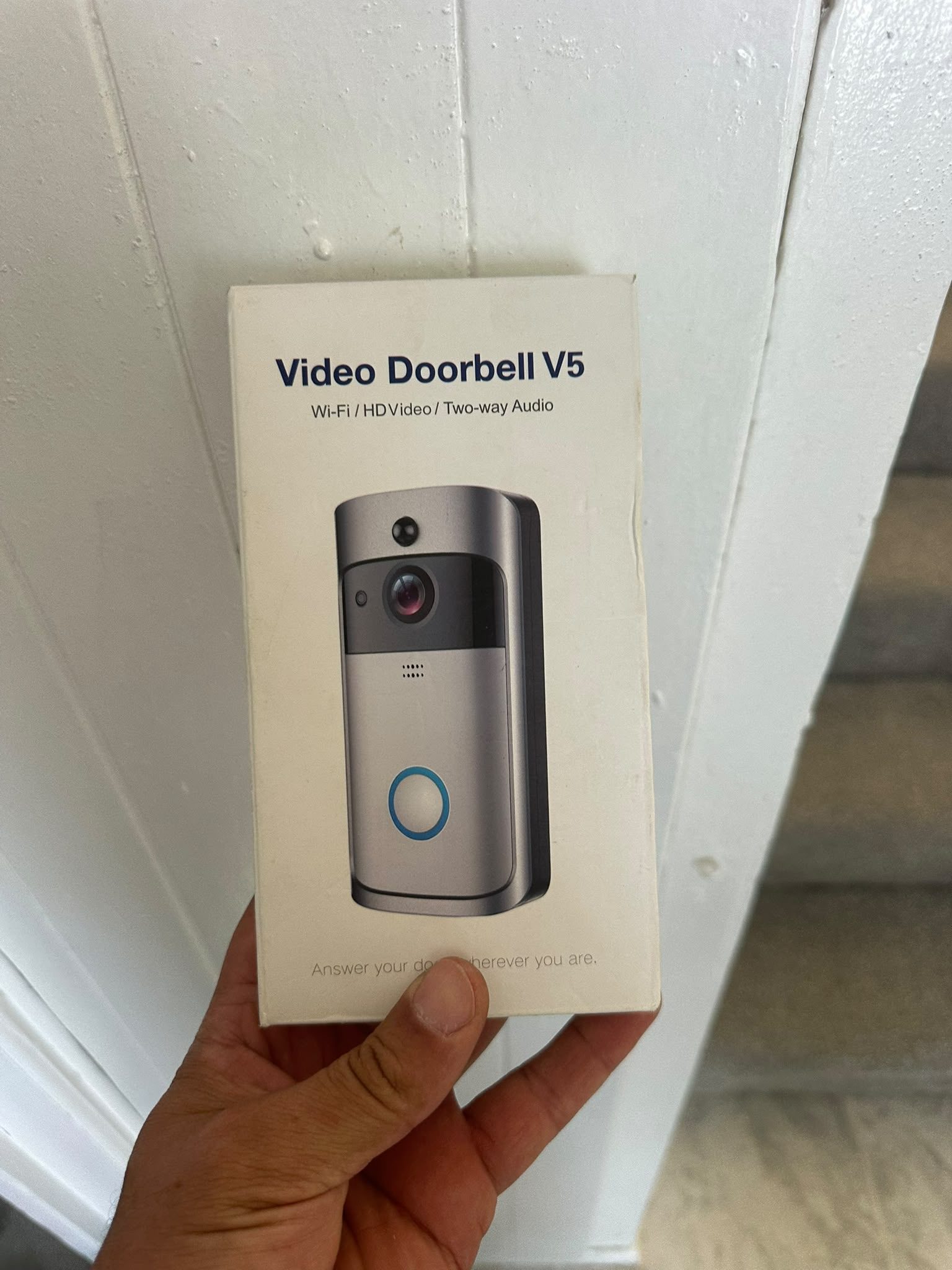
Four cameras in the right places beat twelve in the wrong ones. Here is how the right places get decided.
You rarely need to start again. Existing cable routes are usually the most valuable part of an old system.
The system specification should follow the fire risk assessment — not a catalogue. Here is how the pieces fit together.
Repeated false alarms are a safety failure, not an inconvenience. They are also almost always fixable.
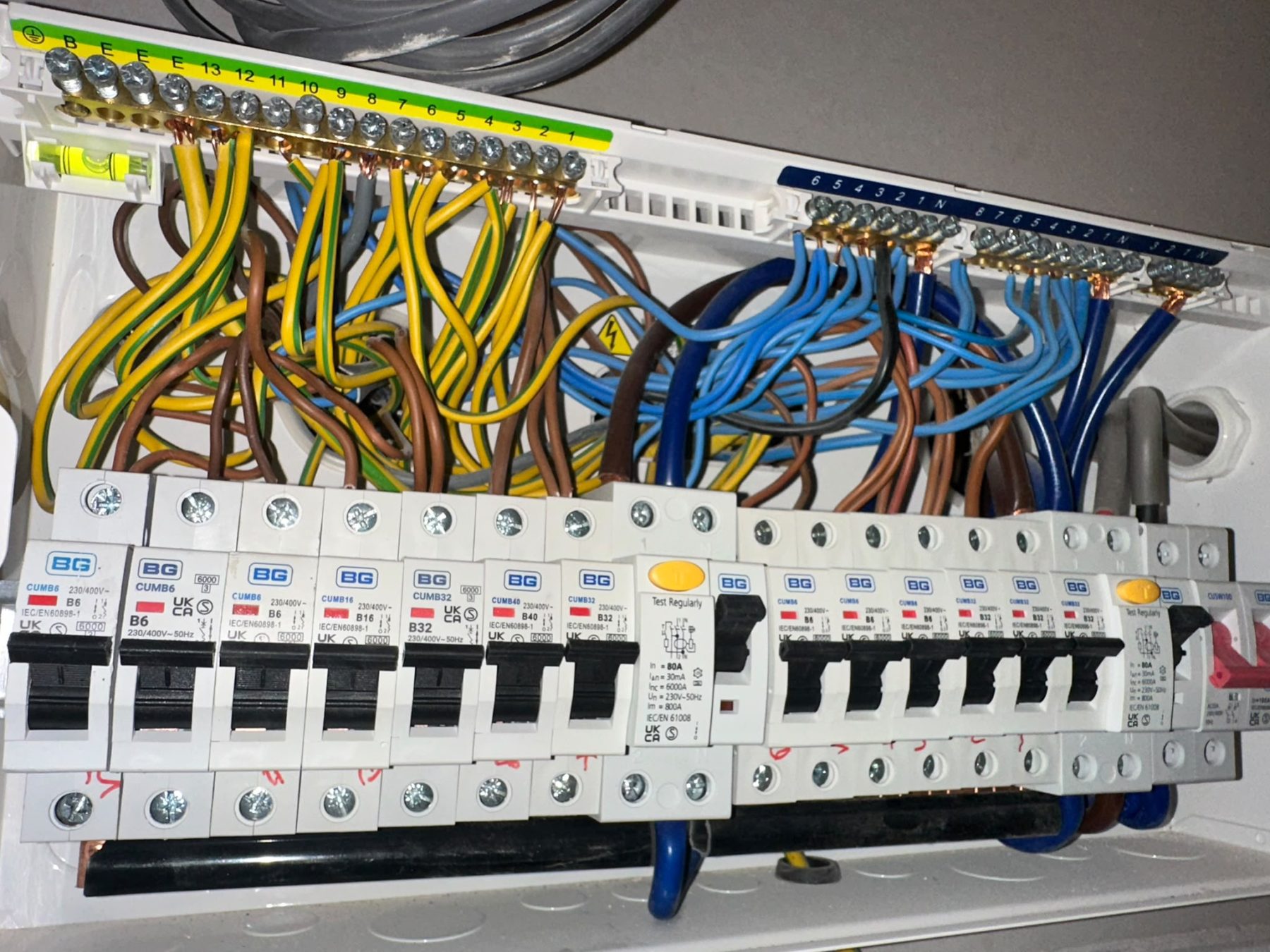
Planned maintenance is cheaper than reactive repair for one reason: electrical faults give warning, but only if somebody looks.
Retail fit-outs run to a fixed opening date. The electrical decisions that threaten it are nearly always made early.
Office layouts change more often than office wiring does. Designing for that is mostly about where power comes out of the floor.
Three-phase comes up whenever a business adds serious equipment. Here is what it means without the electrical theory.
Emergency lighting is one of the most commonly neglected parts of a commercial installation — and one of the easiest to get right.
Call us
Describe the fault or the job and we will tell you what is involved.
Keep exploring