Fire Alarm Systems for Commercial Properties
The system specification should follow the fire risk assessment — not a catalogue. Here is how the pieces fit together.
BeydilliBright Ltd. — London and the surrounding areas
Service
Fire alarm and fire detection installation, upgrades and maintenance for commercial premises and residential buildings across London.
A fire alarm system is a life safety system, and that changes how it is approached. The specification is not a matter of preference — it follows from the building, how it is used, who occupies it and what the fire risk assessment requires.
Detection is the part of the system that decides whether there is a fire at all, and getting it wrong in either direction causes problems. Under-detection means a fire develops before anyone is warned. Over-sensitive or wrongly placed detection means false alarms — and a building that has had repeated false alarms is a building where people stop evacuating.
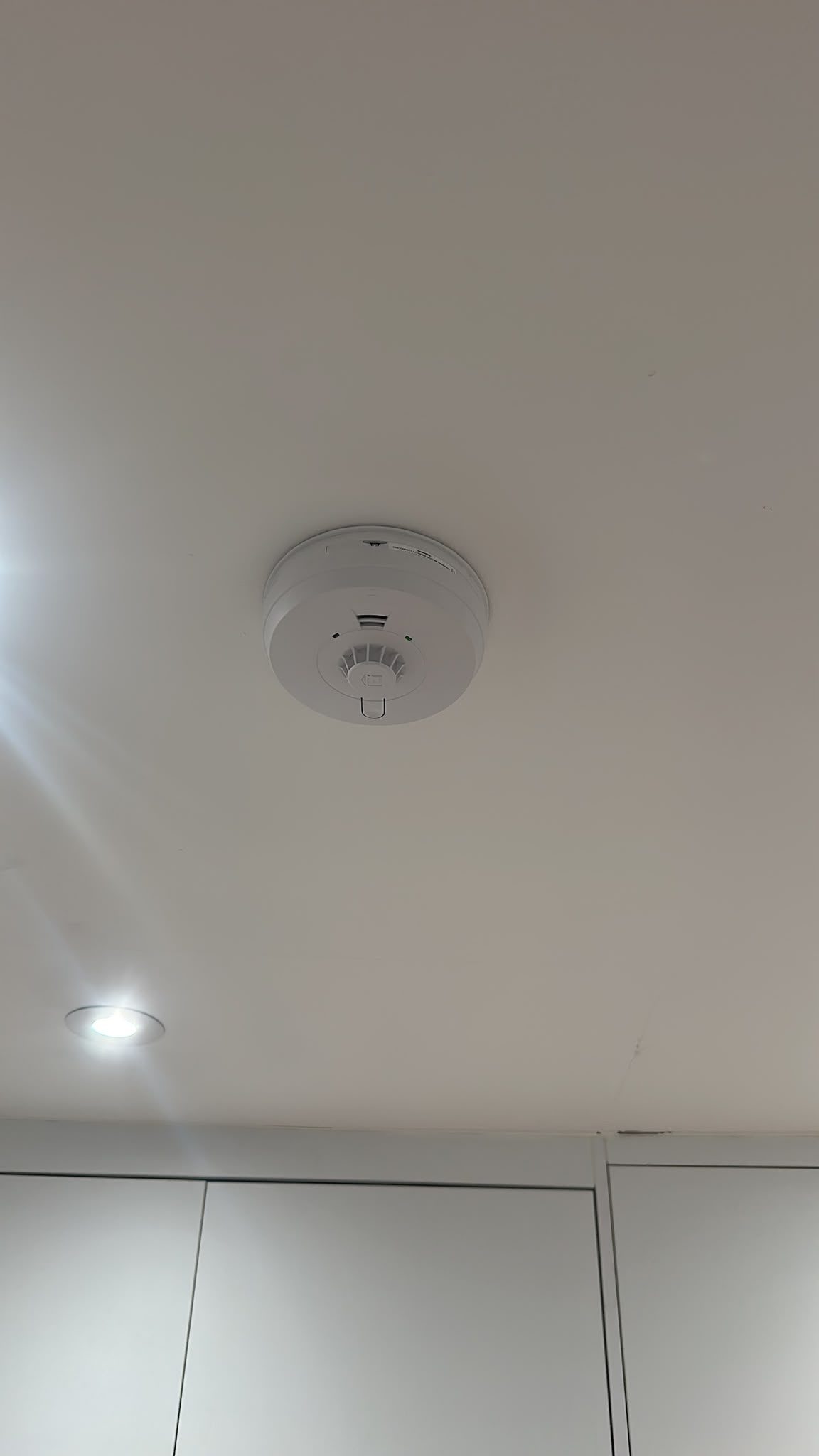
Smoke, heat and multi-sensor detectors each suit different environments. Kitchens, plant rooms, dusty areas and spaces with steam all need particular thought.
Installation covers the control panel, detection devices, manual call points, sounders and visual alarm devices, along with the cabling that connects them — which for a life safety system must be fire-resistant and installed accordingly.
The category of system required for your building should come from the fire risk assessment. If you do not have one, or are not sure what category applies, say so at the outset — specifying a system without that information is guesswork.
Upgrades typically follow a change of use, an extension, a change in occupancy, or a fire risk assessment that identifies the existing system as inadequate. Older conventional systems can sometimes be extended; in other cases an addressable system is the better long-term answer, particularly in larger buildings where identifying the exact device that has activated matters.
Fire alarm systems require regular testing and periodic servicing, and records need keeping. This is not optional in commercial premises — it is part of the responsible person's duties under fire safety legislation.
We carry out maintenance visits, test devices, check the panel and its power supplies, and record the results.
Fire safety in commercial premises is a legal duty, and the requirements depend on the building and its use. We will tell you what the system needs to do and install it accordingly, but the fire risk assessment and the duties that flow from it remain the responsibility of the building's responsible person.
Tell us about the premises, how they are used and what the existing arrangement is. We will explain what the work involves.
That should come from the fire risk assessment for the building, which considers its layout, use and occupants. Specifying a system without one is guesswork. If you do not have a current assessment, that is the place to start rather than the system.
Related: Fire Alarm Systems
A conventional system tells you which zone has activated; an addressable system tells you which device. In a larger building that difference matters a great deal, because locating the activation quickly is the whole point. Conventional systems remain appropriate in smaller premises.
Related: Fire Alarm Systems
Weekly testing of a call point is normal practice, with professional servicing at defined intervals and records kept of both. In commercial premises this is part of the responsible person's duties, not an optional maintenance item.
Related: Fire Alarm Systems
Most often the wrong detector type in the wrong place — smoke detection near a kitchen, a bathroom, a dusty area or somewhere with steam. It is a solvable problem, and worth solving: premises that have had repeated false alarms are premises where people stop evacuating.
Related: Fire Alarm Systems
Yes. We will inspect the existing system, test the devices and the panel, and record the results. If we find the system is not adequate for the building as it is now used, we will say so — that is information you need, even when it is not what you wanted to hear.
Related: Fire Alarm Systems
Requirements depend on the building. Individual dwellings typically need interlinked smoke and heat detection; blocks of flats and houses in multiple occupation have additional requirements driven by their layout and fire strategy. The fire risk assessment determines what applies.
Related: Fire Alarm Systems
A heat detector responds to temperature rise rather than smoke, which makes it suitable for kitchens and similar environments where smoke detection would produce constant false alarms. It responds later than smoke detection, which is why it is used selectively rather than generally.
Related: Fire Alarm Systems
Yes. A fire alarm is a life safety system and its cabling must be fire-resistant and installed accordingly, so that the system keeps working during the event it exists to warn about. This is one of the areas where cutting corners is both obvious and indefensible.
Related: Fire Alarm Systems
The system specification should follow the fire risk assessment — not a catalogue. Here is how the pieces fit together.
Repeated false alarms are a safety failure, not an inconvenience. They are also almost always fixable.
Call us
Describe the fault or the job and we will tell you what is involved.
Keep exploring