Three-Phase Power: What It Is and Whether You Need It
Three-phase comes up whenever a business adds serious equipment. Here is what it means without the electrical theory.
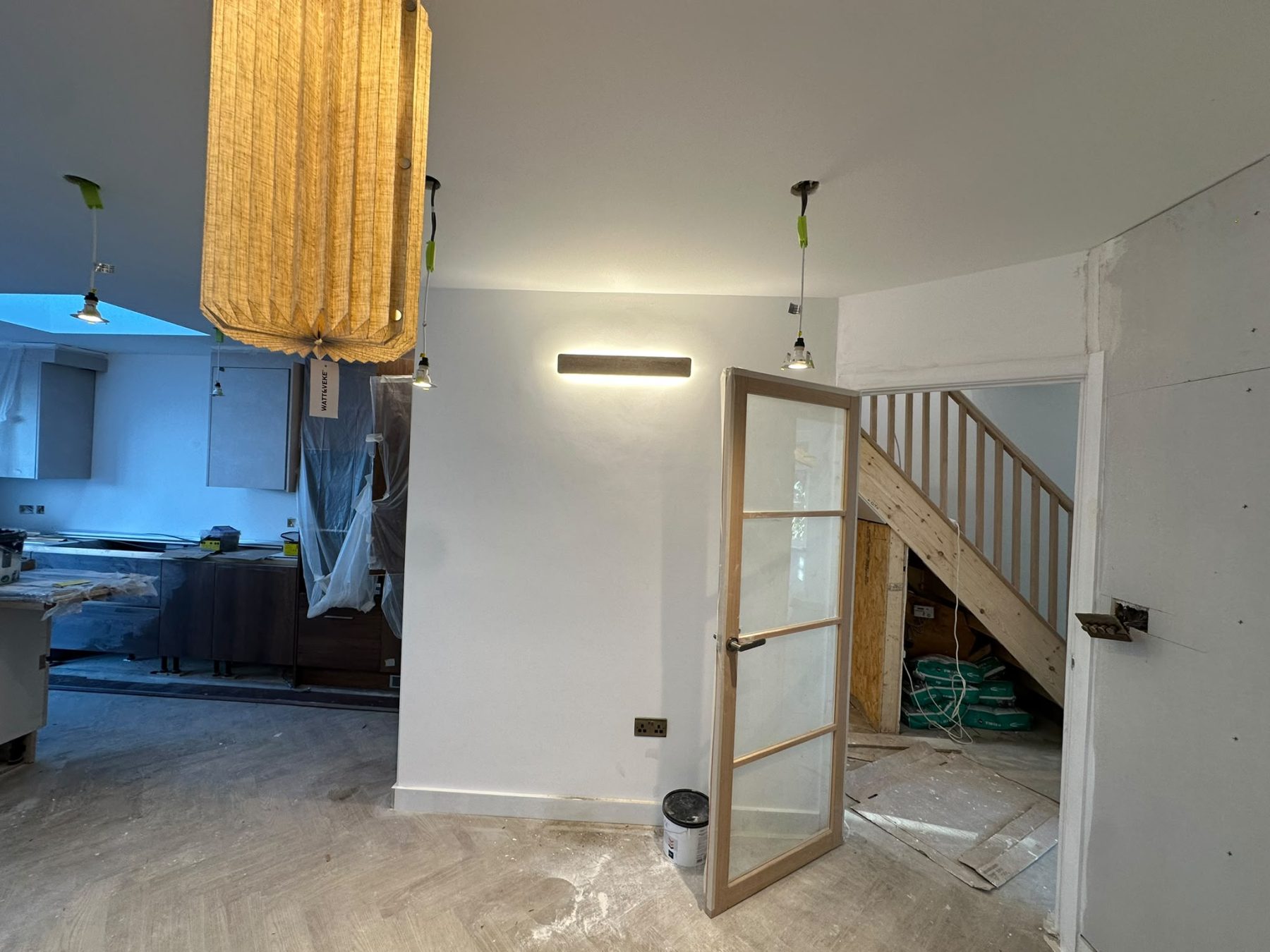
Sooner or later a growing business hears the phrase "you might need three-phase". It usually arrives at an inconvenient moment, attached to a piece of equipment that has already been ordered.
Here is what it means in practical terms.
Single-phase and three-phase
Most homes have a single-phase supply: one live conductor and a neutral. It is entirely adequate for domestic demand.
A three-phase supply provides three live conductors. The practical consequence is that considerably more power can be delivered, and it can be shared across the phases so that no single one is overloaded.
Many commercial and industrial units already have three-phase, installed for a previous occupier. It is genuinely worth checking what is present before assuming you need to ask for it.
When you actually need it
- Equipment that requires it. Some industrial machinery, larger HVAC plant and some commercial catering equipment is three-phase only.
- Total demand exceeding single-phase capacity. A single-phase supply has a ceiling. Beyond it, three-phase is the answer.
- Large motors. They start more smoothly on three-phase, which matters where starting currents would otherwise cause visible disturbance.
- Multiple EV charge points. Commercial charging installations frequently need it.
When you do not
Plenty of businesses assume they need three-phase and do not. A retail unit, a small office or a café can often run comfortably on a well-designed single-phase installation.
The right sequence is to calculate the actual demand first. Requesting a supply upgrade that is not needed costs money and time for no benefit.
Getting one installed
If the building does not have three-phase, obtaining it means an application to the distribution network operator. That involves cost — sometimes substantial, depending on what work is needed in the street — and lead times measured in weeks or months.
This is the single most important thing to know: it is not a quick job. A business that discovers it needs three-phase four weeks before opening has a serious problem.
Balancing
With three-phase installed, loads should be distributed reasonably evenly across the phases. A badly balanced installation, with most of the load on one phase, wastes capacity and can cause problems.
This is worth checking in premises that have grown organically — circuits added over years tend to end up wherever there was a spare way rather than where balance suggested.
Safety
Three-phase installations carry higher voltages between phases than between phase and neutral. They demand more care, appropriate isolation, and clear labelling.
Finding out what you have
Look at the incoming supply: three-phase arrangements are visibly different at the meter position. Or tell us the address and what equipment you are planning, and we will establish it.
See our commercial electrical services page.
Keep reading
Related guides
Electrical Safety for Businesses: What You Are Responsible For
Running commercial premises brings electrical duties that go well beyond keeping the lights on. Here is the practical shape of them.
Commercial Electrical Maintenance: What It Actually Covers
Planned maintenance is cheaper than reactive repair for one reason: electrical faults give warning, but only if somebody looks.
Electrical Planning for a Shop Fit-Out
Retail fit-outs run to a fixed opening date. The electrical decisions that threaten it are nearly always made early.