Fire Alarm Systems for Commercial Properties
The system specification should follow the fire risk assessment — not a catalogue. Here is how the pieces fit together.
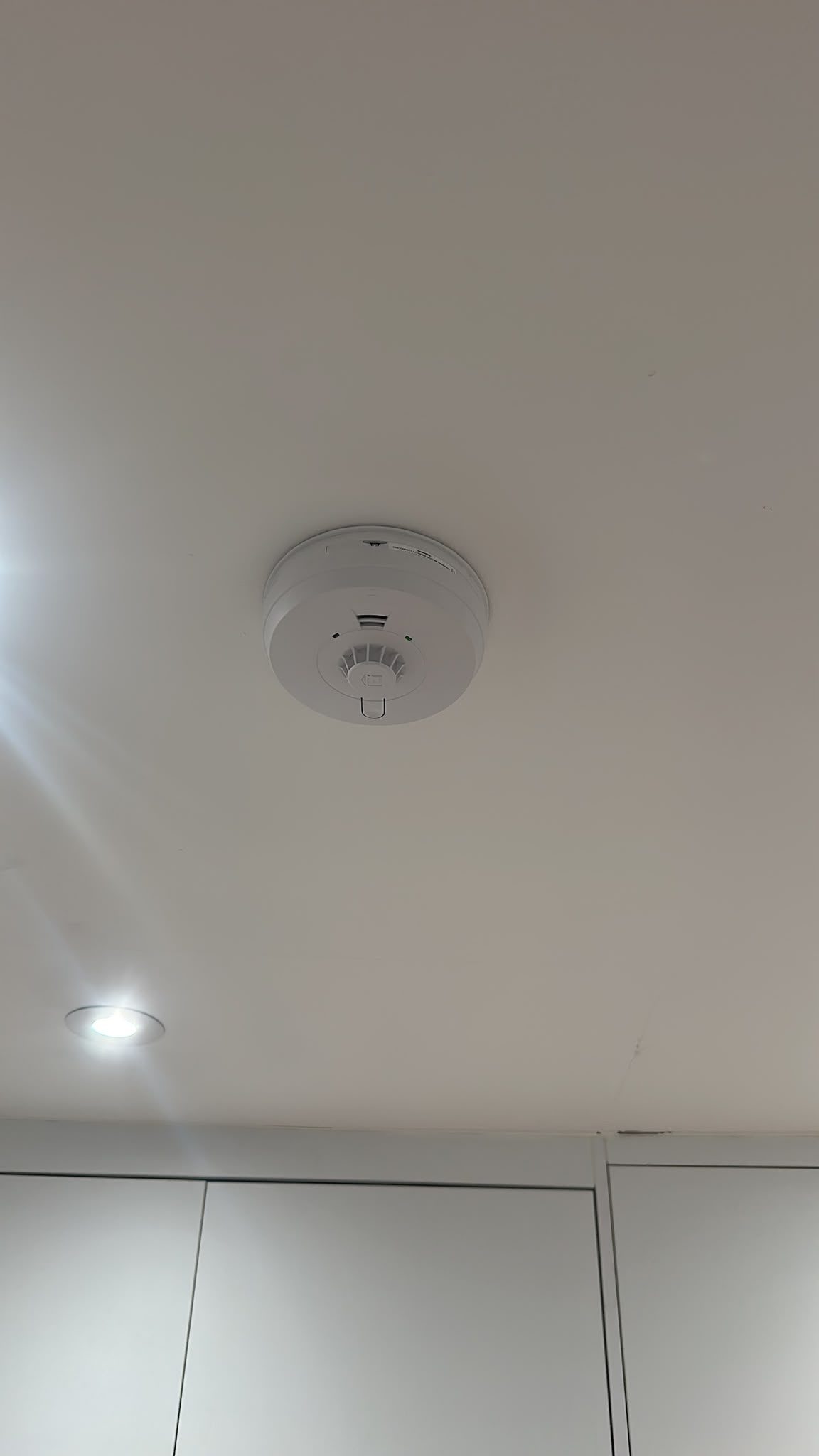
Fire alarm systems are the one area of electrical work where preference has almost nothing to do with the specification. What the building needs is determined by the building: its layout, its use, who occupies it and what the fire risk assessment concludes.
Start with the fire risk assessment
In commercial premises the responsible person has a duty to carry out and maintain a fire risk assessment. It considers the hazards, who is at risk, escape routes, and what detection and warning is needed.
The alarm system specification follows from that. Specifying a system without one is guesswork — and it is guesswork that will be examined closely if anything ever goes wrong.
If you do not have a current assessment, that is where to start, not with a quote for a panel.
Conventional and addressable
Conventional systems divide a building into zones. When a device activates, the panel indicates the zone. Someone then searches that zone to find the cause. Perfectly appropriate in smaller premises.
Addressable systems identify the individual device. In a larger or multi-storey building that difference matters considerably — locating the activation in seconds rather than minutes is the entire point.
Addressable systems also handle faults and maintenance far better, reporting which specific device needs attention rather than which zone.
Detection types, and false alarms
Getting detection right is where systems most often fail in practice, and the failure mode is false alarms.
- Optical smoke detection — good general-purpose detection, poor near kitchens, steam or dust.
- Heat detection — responds to temperature rise. Suits kitchens and similar spaces. Responds later than smoke detection, so used selectively.
- Multi-sensor detection — combines inputs to reduce false alarms in difficult environments.
The consequence of getting this wrong is not just nuisance. Premises that have had a run of false alarms are premises where people stop evacuating — and that is a genuine safety failure produced by a specification decision.
Cabling
A fire alarm is a life safety system, and its cabling must be fire-resistant and installed accordingly, so the system continues to operate during the event it exists to warn about. This is not an area where savings should be made.
Testing and records
Weekly testing of a call point — a different one each week, so all are tested over time — is normal practice, with professional servicing at defined intervals. Both need recording in a logbook.
The logbook is what demonstrates the duty has been discharged. Keep it properly.
Changes of use
A change of use, an extension, a reconfigured layout or a change in occupancy can each make an existing system inadequate. This is the most commonly missed trigger for reassessment.
If your building is not being used the way it was when the system was specified, the fire risk assessment should be revisited.
Talk to us about your building
Tell us what the premises are, how they are used, what is currently installed and what your fire risk assessment says. See our fire alarm page.
Keep reading
Related guides
Why Fire Alarms Give False Alarms, and How to Stop Them
Repeated false alarms are a safety failure, not an inconvenience. They are also almost always fixable.
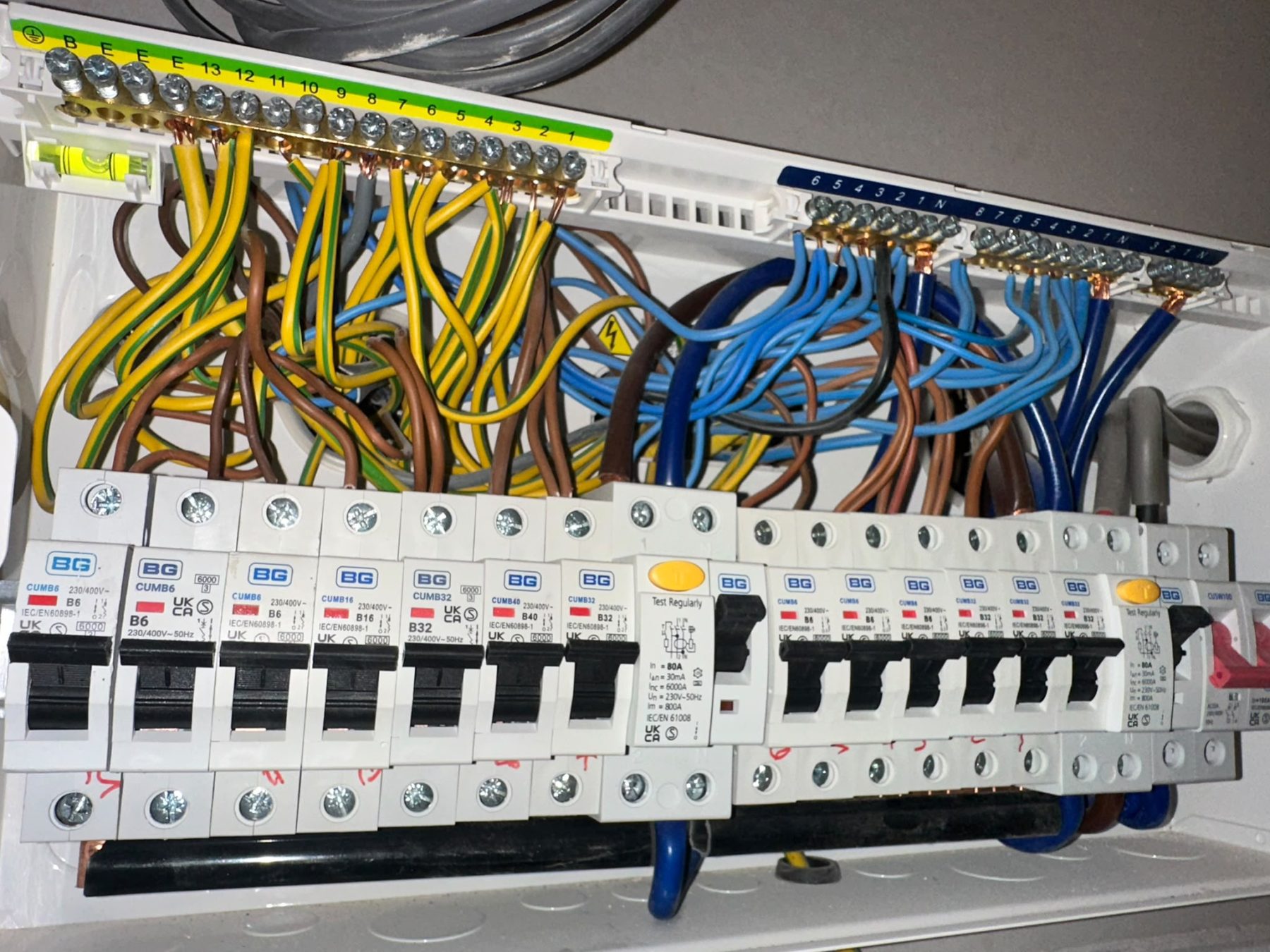
Signs Your Consumer Unit May Need Replacing
Not every old board needs replacing — but some genuinely do. Here is how to tell the difference without guessing.
Consumer Unit vs Fuse Box: What Is the Difference?
They are the same thing — but the difference between an old board and a modern one is substantial, and worth understanding.