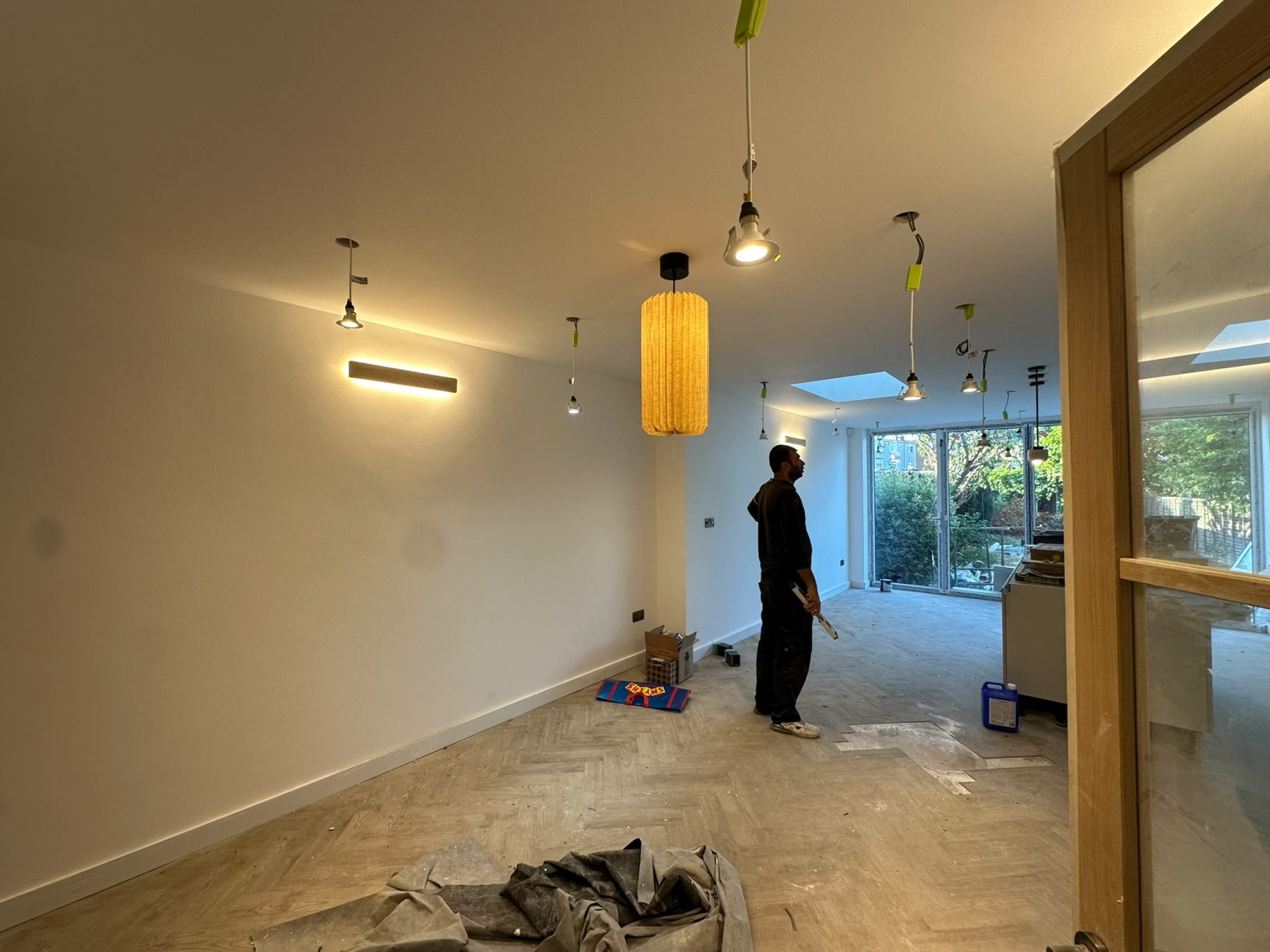
Common Electrical Problems in London Homes
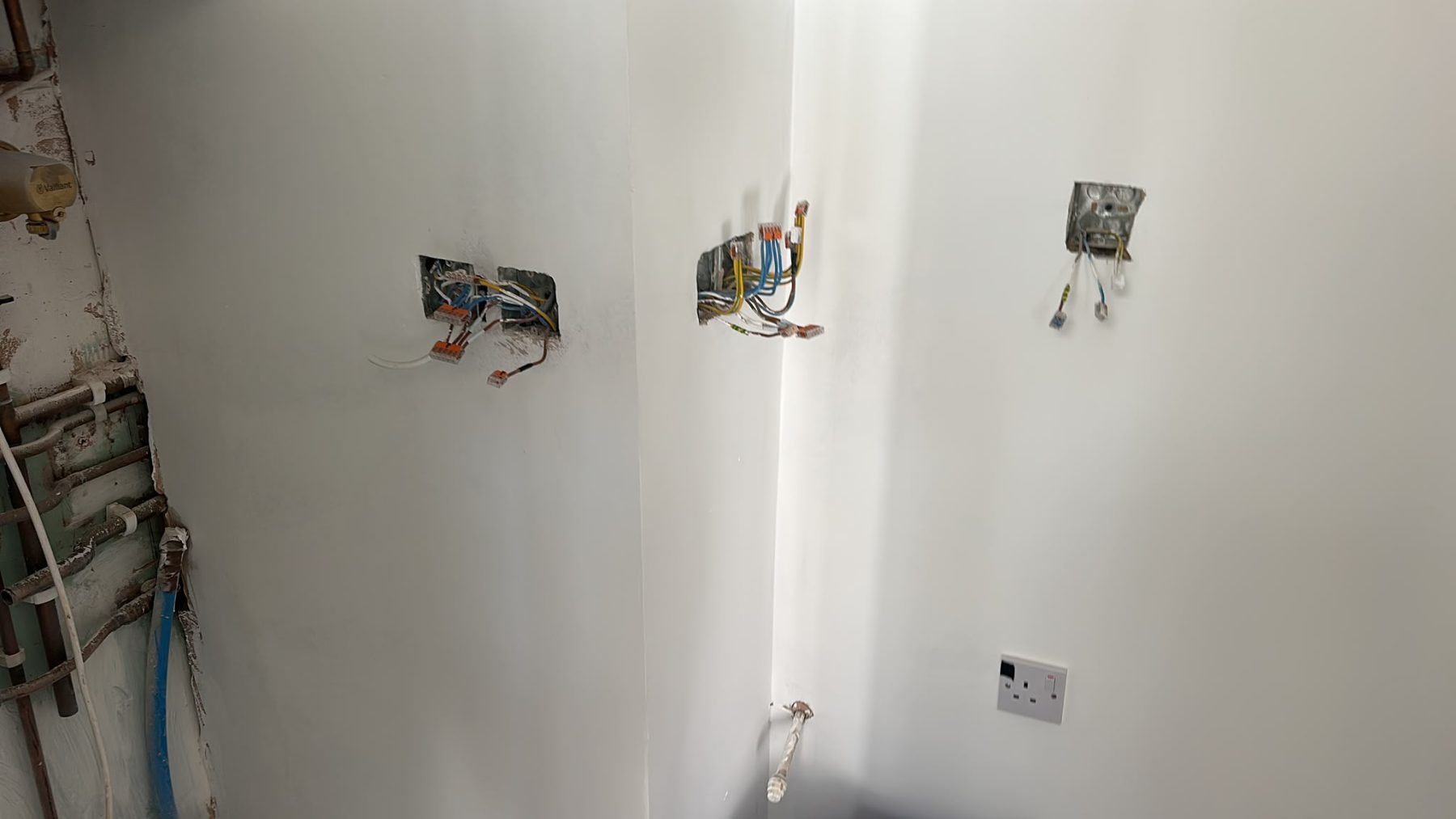
London’s housing stock produces a recognisable set of electrical problems. Here are the ones we see most often, and why.
BeydilliBright Ltd. — London and the surrounding areas
Insights
Practical guidance for houses, flats and the projects people plan around them.
London’s housing stock produces a recognisable set of electrical problems. Here are the ones we see most often, and why.
Loft conversions run into the same electrical surprise again and again — and it is one that is much cheaper to find at design stage.
Electrical work in a flat is rarely difficult. The complications are routes, permissions and neighbours.
Rewiring is decided by test results, not by the age of the house. Here is what actually indicates it.
Kitchens concentrate more electrical demand than any other room. Planning it before the units are ordered saves a great deal.
Bathrooms have the strictest electrical requirements in a home, for the most obvious reason.
A garden room needs a designed supply, not an extension lead. Here is what that actually involves.
Extensions are cheap to wire well and expensive to wire badly, and the difference is entirely about when decisions are made.
There is no regulation number. But there is a reliable test, and most homes fail it.
A survey will mention the electrics in a paragraph of caveats. Here is how to find out what it actually means.
Most smart home regret is wiring regret. A few decisions at first fix determine what is possible for the next twenty years.
A house that was built without electricity and has been added to ever since presents a particular kind of problem.
Call us
Describe the fault or the job and we will tell you what is involved.
Keep exploring