Electrical Safety for Businesses: What You Are Responsible For
Running commercial premises brings electrical duties that go well beyond keeping the lights on. Here is the practical shape of them.

BeydilliBright Ltd. — London and the surrounding areas
Insights
Running commercial premises brings electrical duties that go well beyond keeping the lights on. Here is the practical shape of them.
Workplace charging is rarely about one charge point. Designing for the second and third is what keeps it affordable.
LED upgrades pay back quickly in the right premises — and disappoint in the wrong ones. The difference is mostly product quality.
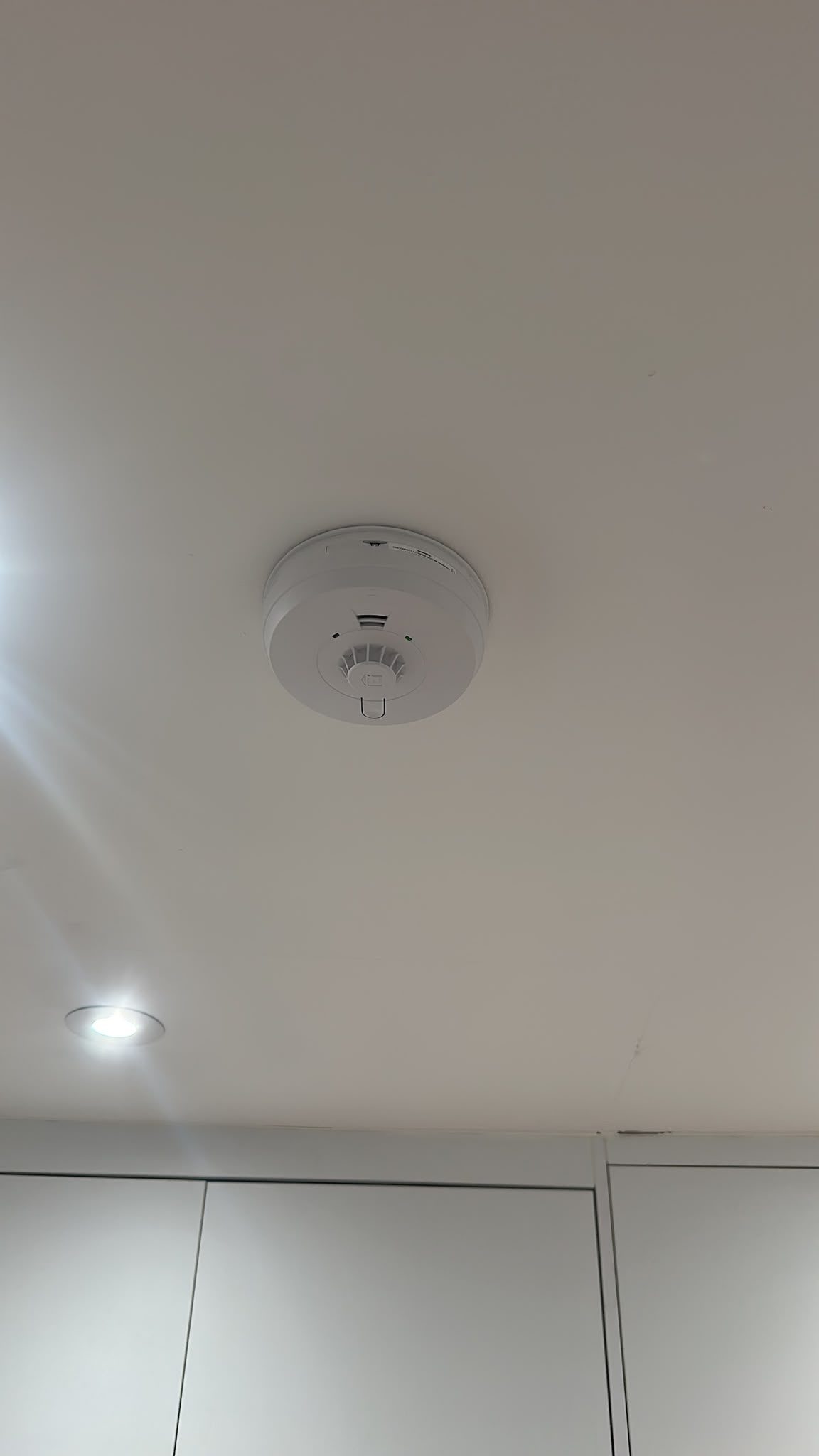
The system specification should follow the fire risk assessment — not a catalogue. Here is how the pieces fit together.
Planned maintenance is cheaper than reactive repair for one reason: electrical faults give warning, but only if somebody looks.
Retail fit-outs run to a fixed opening date. The electrical decisions that threaten it are nearly always made early.
Office layouts change more often than office wiring does. Designing for that is mostly about where power comes out of the floor.
Three-phase comes up whenever a business adds serious equipment. Here is what it means without the electrical theory.
Emergency lighting is one of the most commonly neglected parts of a commercial installation — and one of the easiest to get right.
Converted industrial buildings come with an installation designed for something else entirely. That is the starting point.
The savings that survive contact with reality are the boring ones: lighting, controls and knowing what is running overnight.