Commercial EV Charging: Planning for More Than One Vehicle
Workplace charging is rarely about one charge point. Designing for the second and third is what keeps it affordable.
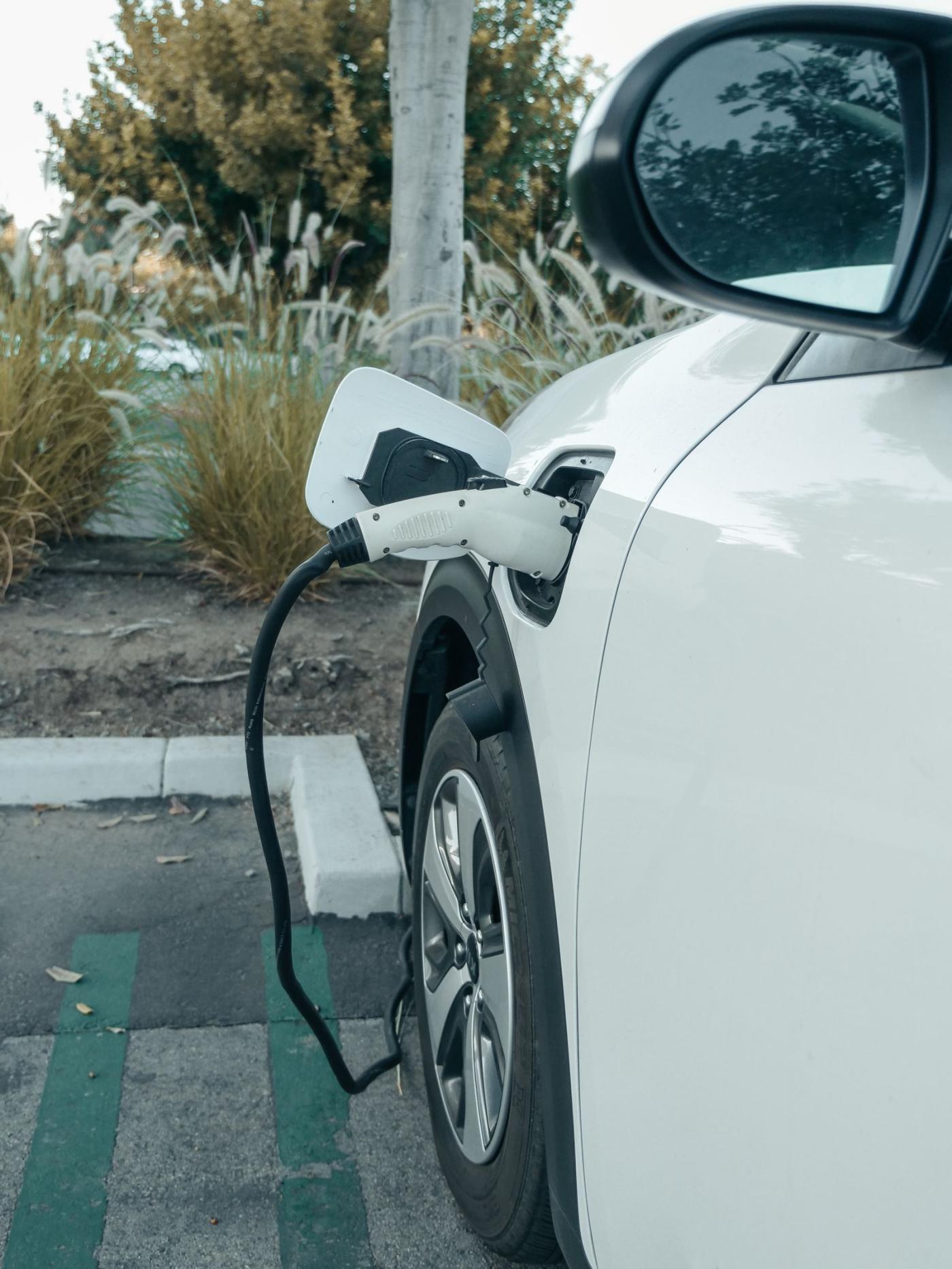
Commercial EV charging looks like a larger version of domestic charging. It is not. The engineering question is different, and the businesses that get it wrong are usually the ones that treated it as a domestic installation repeated a few times.
The real question: simultaneous demand
A domestic installation assumes one vehicle charging. A commercial installation has to answer a harder question: what happens when all of them charge at once?
Six 7 kW charge points running simultaneously is a substantial continuous load — often more than the site's remaining capacity. Sizing the installation for that worst case frequently means a supply upgrade, which is the single largest cost in the project.
Load management as an alternative to a supply upgrade
Dynamic load management monitors the site's total demand and shares available capacity between active charge points. When the building is drawing heavily, charging rates reduce; when it is quiet, they increase.
For workplace charging, where vehicles are typically parked for hours, this is almost always the right trade. Nobody needs a full charge in ninety minutes if the car is there until five o'clock.
It routinely turns a project that required a supply upgrade into one that did not.
Designing for growth
The most common regret we hear is installing two charge points and returning eighteen months later to add four more — at which point the containment, the cabling and sometimes the distribution all need revisiting.
Running containment and cable capacity for the eventual number, even if only some positions are fitted initially, is markedly cheaper than doing the civils twice. Groundwork is the expensive part of any car park installation.
Who is charging, and who pays?
This needs settling before the electrical design, because it affects it:
- Staff only — access control, and possibly recharging as a benefit in kind.
- Visitors and customers — usually needs payment or session management.
- Fleet — usage data per vehicle matters for cost allocation.
- Tenants in managed property — metering and recharging arrangements need to work commercially.
Siting
Practical considerations that are easy to miss on a plan: how vehicles actually manoeuvre, whether cables will cross pedestrian routes, protection from vehicle impact, lighting after dark, and accessible bays.
A charge point that is awkward to use gets used less, which undermines the entire investment.
Where to start
Tell us the site, the parking arrangement, how many points you have in mind now and how many you might want eventually, and who will use them. The answers shape the design more than the choice of hardware does.
See our EV charging page and commercial electrical services.
Keep reading
Related guides
What to Know Before Installing an EV Charger at Home
Home charging is straightforward in a property that can support it. Five things determine whether yours can.
EV Charging at Home: Running Costs and Practicalities
A dedicated charge point is not just faster than a three-pin plug. The difference is mostly about cost and safety, not speed.
Signs Your Consumer Unit May Need Replacing
Not every old board needs replacing — but some genuinely do. Here is how to tell the difference without guessing.