Reducing Electricity Costs in Commercial Premises
The savings that survive contact with reality are the boring ones: lighting, controls and knowing what is running overnight.
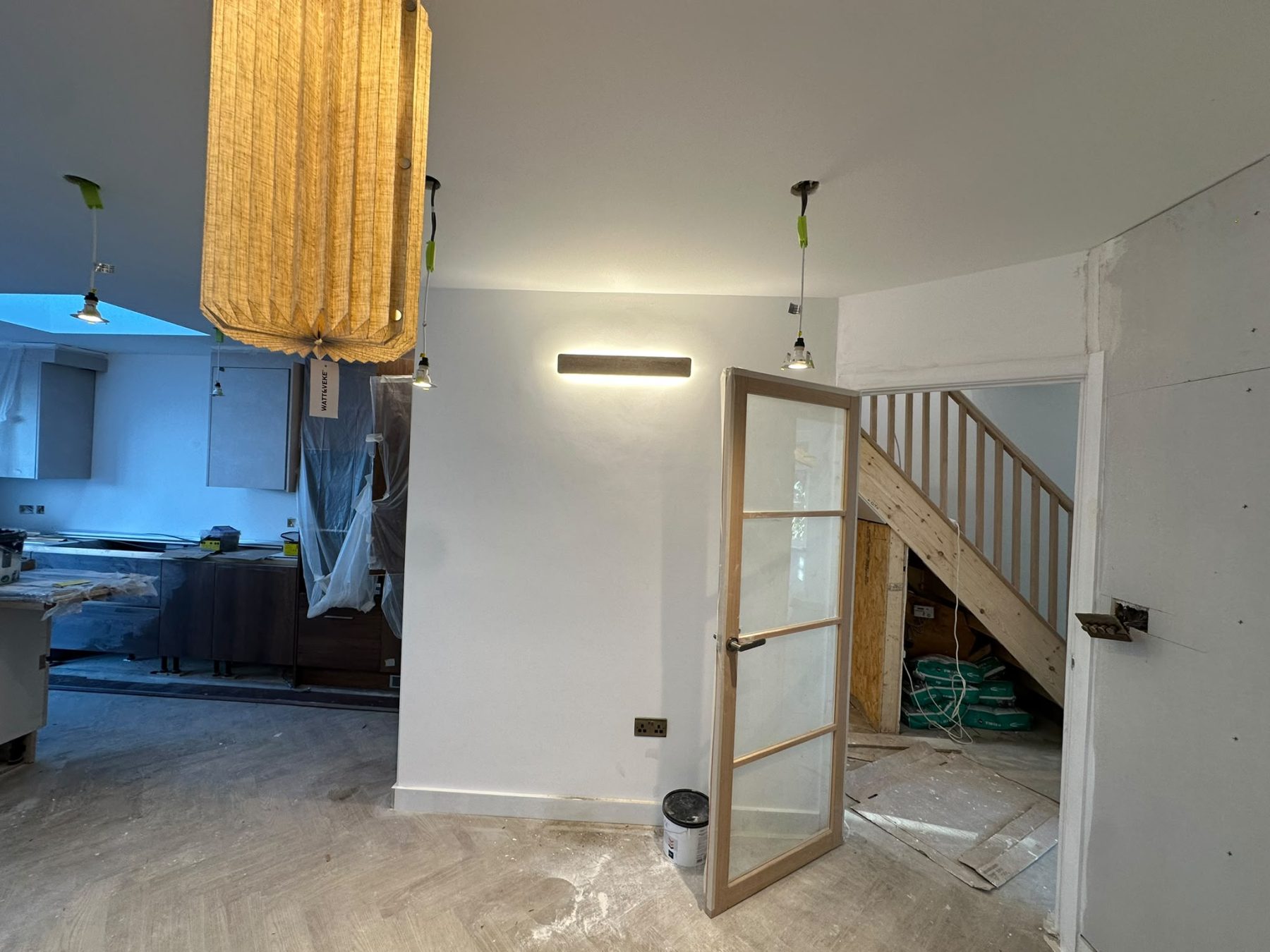
Energy costs are a live concern for most businesses, and the market for solutions is full of things that promise more than they deliver. The measures that reliably work are unglamorous.
Find out what is actually using it
The first step is nearly always the most revealing. Most businesses do not know what their consumption is made up of, which makes every subsequent decision guesswork.
Sub-metering, or even a straightforward assessment of what runs, when and at what rating, routinely turns up surprises — most commonly equipment running out of hours for no reason anybody can explain.
Lighting, because of the hours
Lighting is usually the largest controllable load in retail and office premises, simply because it runs whenever the premises are open.
LED replacement has a short payback in premises lit for long hours, and the maintenance saving in high spaces is frequently larger than the energy saving. The caveat is product quality: cheap fittings shift colour and fail early, which erodes both.
Controls, which are cheaper than replacement
Often overlooked, because they are less visible than new fittings.
- Presence detection in meeting rooms, stores, toilets and circulation areas, where lights are routinely left on in empty spaces.
- Daylight-linked dimming near windows, where full output is unnecessary for much of the day.
- Time control on external and signage lighting, so nothing runs at 3am unnecessarily.
- Zoning, so part of a floor can be lit for late working without lighting all of it.
Controls frequently deliver a better return than replacing fittings, and cost considerably less.
The out-of-hours load
Worth measuring specifically. Many premises have a substantial baseline running overnight and at weekends — equipment on standby, display lighting, systems nobody turns off.
That load runs for roughly two-thirds of the hours in a week. Reducing it has a disproportionate effect, and it usually costs nothing but attention.
Heating and cooling
Frequently the largest load of all, and frequently the worst controlled. Systems heating and cooling simultaneously, running in unoccupied areas, or running outside occupied hours are all common and all expensive.
Power factor
Relevant for larger installations with substantial motor loads. Poor power factor can attract charges from the supplier, and correction equipment can pay for itself where it applies. It is not relevant to most small premises, and anyone proposing it for a small office is selling something.
What to be sceptical about
Devices promising large savings with no change in what you use are, at best, addressing something narrow that may not apply to you. If a claim sounds like physics is being bent, ask for evidence from a comparable installation.
Start with an assessment
Tell us the premises, the operating hours and what is installed. An honest assessment of where the consumption actually is beats a list of general recommendations. See our commercial electrical services page.
Keep reading
Related guides
Electrical Safety for Businesses: What You Are Responsible For
Running commercial premises brings electrical duties that go well beyond keeping the lights on. Here is the practical shape of them.
Commercial Electrical Maintenance: What It Actually Covers
Planned maintenance is cheaper than reactive repair for one reason: electrical faults give warning, but only if somebody looks.
Electrical Planning for a Shop Fit-Out
Retail fit-outs run to a fixed opening date. The electrical decisions that threaten it are nearly always made early.