What Happens During an Electrical Installation Condition Report
Knowing what an inspection involves makes it easier to prepare for, and easier to judge whether it was done properly.
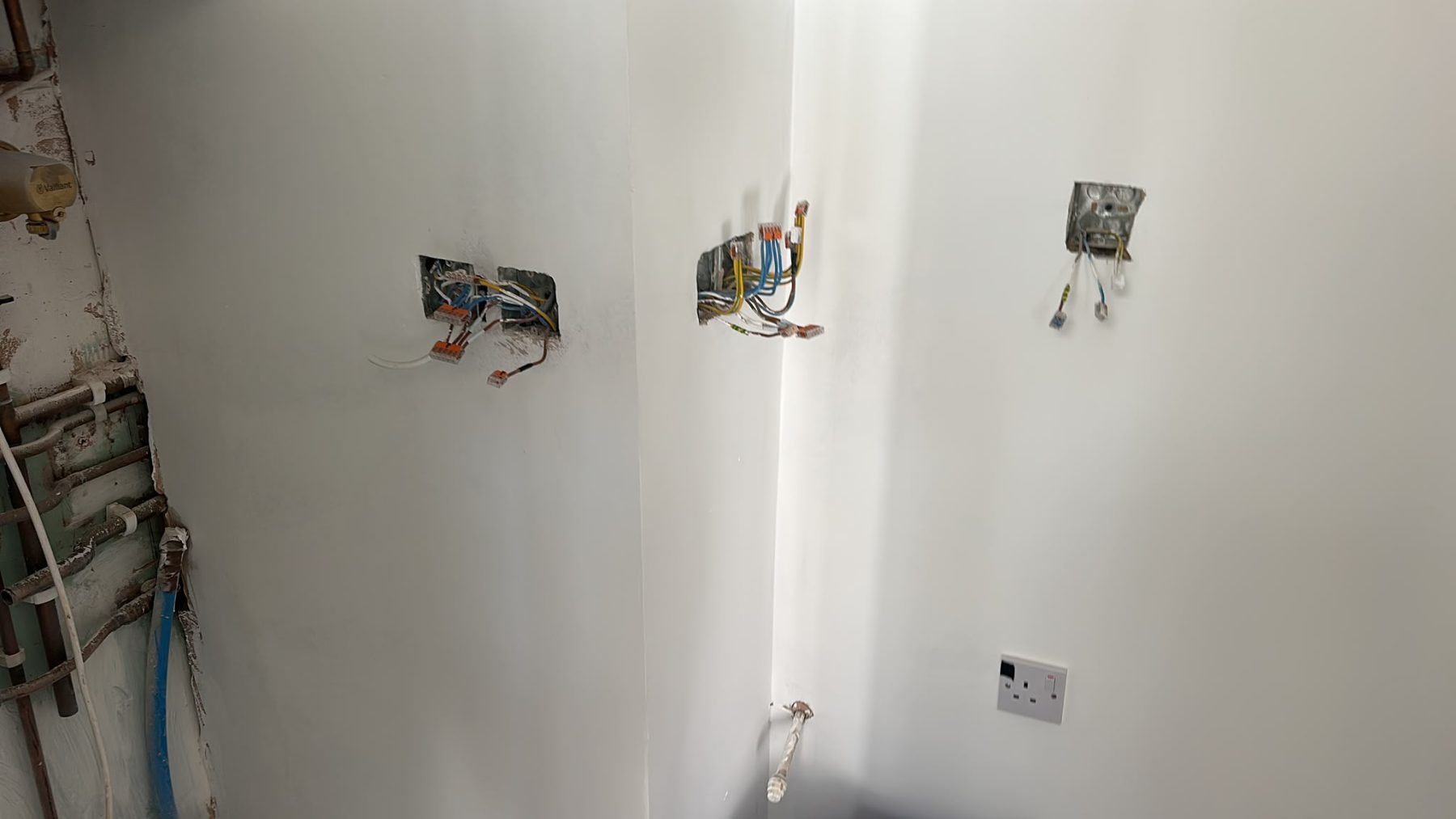
People book an EICR without much idea of what it involves, which makes it hard to prepare for and hard to judge afterwards. It is a fairly structured process.
Before the visit
Useful preparation:
- Provide access to the consumer unit, and to any other distribution boards.
- Clear access to sockets and accessories where practical — a sample will be inspected in detail, and furniture in the way slows this considerably.
- Find any previous certificates or reports. Previous documentation makes the inspection faster and more accurate.
- Plan for the power being off. Testing requires isolation, in stages rather than all at once, but it will be off for periods.
- Mention anything sensitive — equipment that must not lose power, or anyone in the property for whom that matters.
The visual inspection
A substantial part of the assessment, and frequently where the most significant findings come from.
It covers the condition of the consumer unit and its devices, the condition of accessories, signs of damage or overheating, whether equipment is appropriate for its location — bathrooms and outdoors particularly — and whether earthing and bonding arrangements are present and adequate.
The testing
The main tests, in plain terms:
Continuity confirms conductors are intact and that protective conductors are actually connected.
Insulation resistance measures how well the insulation is holding up. This is the test that identifies deterioration across an installation and is the principal evidence in any discussion about rewiring.
Polarity confirms live, neutral and earth are where they should be.
Earth fault loop impedance confirms that if a fault occurs, enough current will flow for the protective device to disconnect quickly.
RCD testing confirms protective devices operate within required times.
Sampling
Not every accessory is dismantled. A proportion is inspected in detail, and the report states the extent of sampling.
A report that claims to have inspected everything in a large property in two hours is worth questioning — as is one that samples so little it cannot support its conclusion.
The report
You receive an overall assessment — satisfactory or unsatisfactory — and a schedule of observations, each with a code. C1, C2 and FI items make a report unsatisfactory; C3 items do not.
It should also record any limitations: parts of the installation that could not be accessed or inspected, and why.
Afterwards
If the report is unsatisfactory, the C1, C2 and FI items need addressing. Dealing with them as one piece of work is usually quicker and cheaper than addressing them individually, because several observations frequently share a root cause.
Keep the report. It is the baseline against which the next inspection is judged, and it is asked for when property changes hands.
Booking one
Tell us the property type, rough age and size, and whether you have any previous documentation. See our electrical services page.
Keep reading
Related guides
Why Does My Circuit Breaker Keep Tripping?
A breaker that trips is doing its job. Understanding which of three faults it is reporting tells you how seriously to take it.
Domestic Electrical Safety: What to Check at Home
A short, practical list of things worth noticing in your own home — none of which require tools or any risk to you.
What an EICR Is, and What the Codes Actually Mean
Electrical Installation Condition Reports are full of codes that decide whether you have a problem. Here is how to read one.