What to Know Before Installing an EV Charger at Home
Home charging is straightforward in a property that can support it. Five things determine whether yours can.
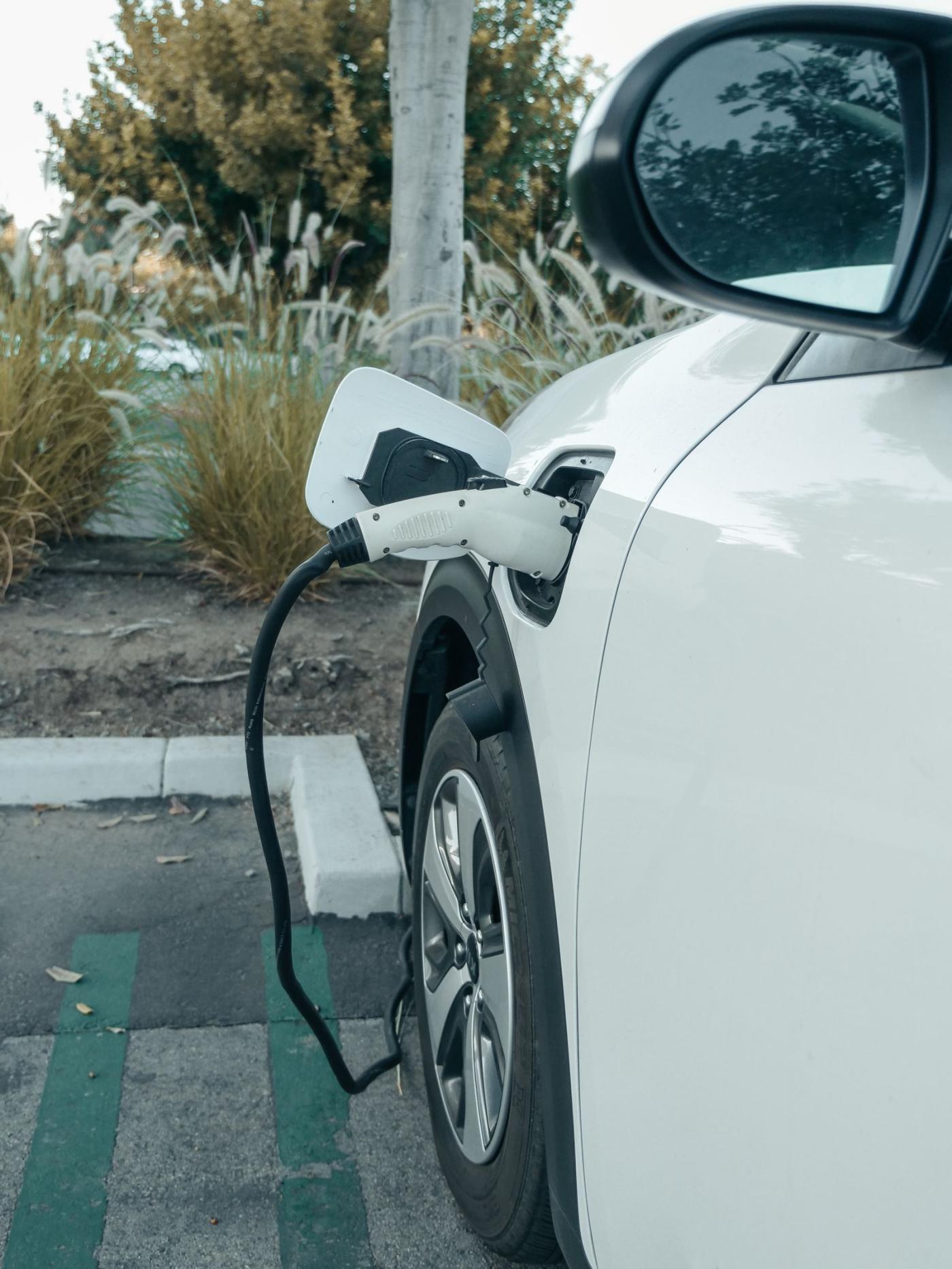
Installing a home charge point is usually a single-visit job. It is also occasionally a two-part project with unexpected work at the consumer unit in the middle. The difference is established before anything is ordered, and it comes down to five things.
1. Where the car parks
This is the question that ends the conversation more often than any technical factor. A home charge point needs the vehicle parked on land you control — a driveway, a garage, an allocated space.
Charging across a public pavement is not a solution, regardless of what cable covers are sold for the purpose. If you park on the street, home charging is generally not practical, and we would rather say so than sell you something that will frustrate you.
2. The incoming supply and main fuse
A charge point is an unusual electrical load: it draws at or near its rated current continuously, for hours. Almost nothing else in a house does that.
Whether your supply comfortably accommodates it depends on the main fuse rating and what else the property runs — particularly electric heating, an electric shower and an electric hob together. Where the margin is tight, load management or a lower charge rate is usually the answer rather than a supply upgrade.
3. The consumer unit
This is the most common complication, and in older housing it is the norm rather than the exception.
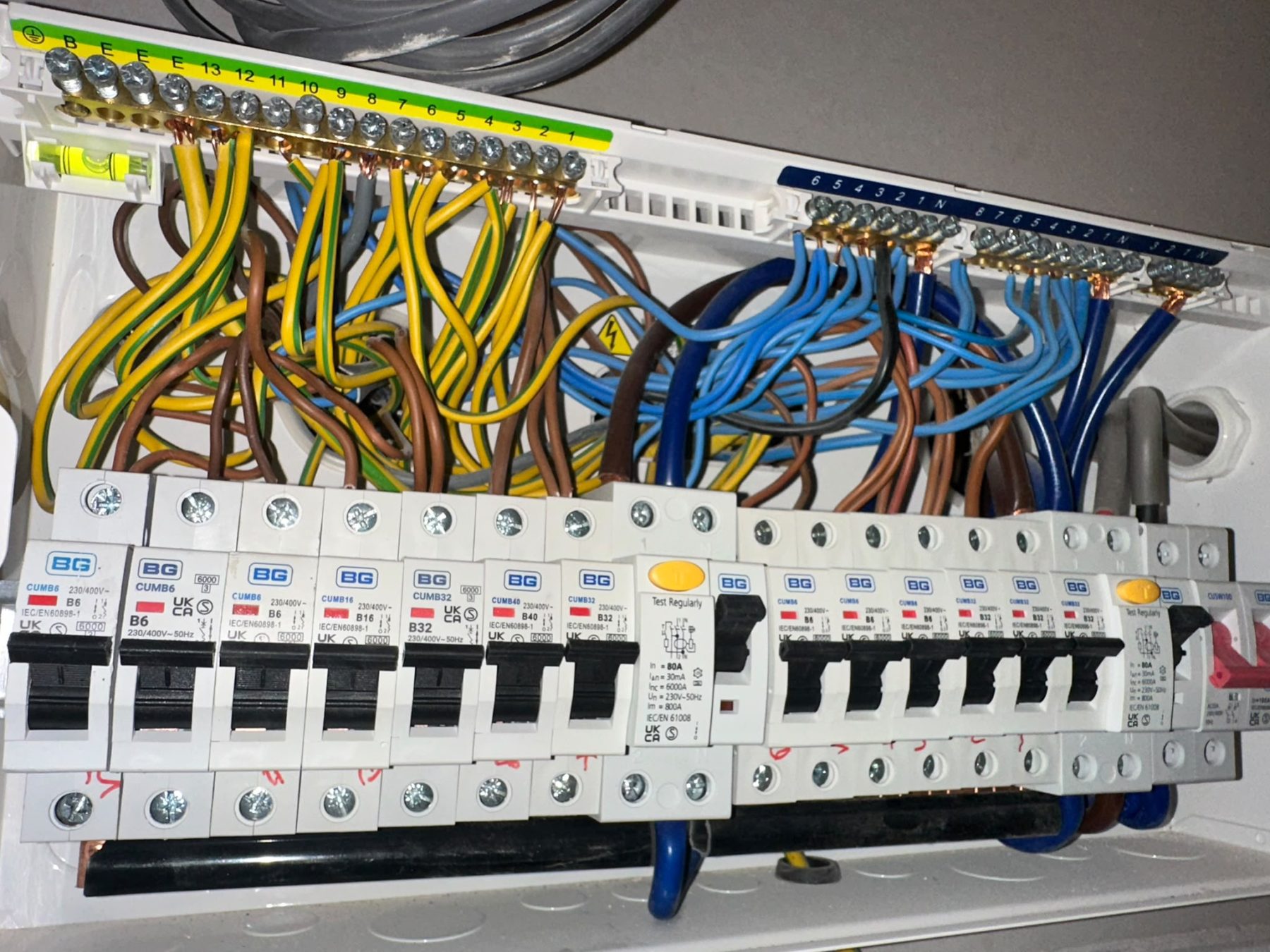
A charge point needs a dedicated circuit with appropriate protection. A board with no spare ways cannot provide one. A board with no RCD protection introduces a further question. In either case, board work comes first.
That is a known quantity when it is identified at assessment. It is a problem when it is discovered on installation day.
4. The earthing arrangement
The supply earthing arrangement at your property determines what protective measures the installation needs, because a vehicle being charged outdoors presents a specific set of conditions.
This varies between properties, sometimes between neighbours on the same street, and it is checked rather than assumed. Some charge points have protective measures built in; others require them to be provided in the installation.
5. The route
Cable has to get from the consumer unit to the charge point position. Where the board is in a garage and the car parks outside it, that is trivial. Where the board is in an under-stairs cupboard at the front and the parking is at the rear, it is a considerably longer run and worth planning.
Choosing the unit
Once the property questions are settled, the unit itself matters less than people expect. The functional differences worth caring about:
- Tethered or untethered. A fixed cable is convenient; a socket is more flexible and tidier.
- Smart functionality. Scheduling and tariff integration are where the running-cost saving actually comes from.
- Where it will physically sit. Reach, cable management and whether it is in the way are practical considerations that get overlooked at specification.
Grants
Government support changes periodically and eligibility depends on circumstances. [INSERT INFORMATION] — current scheme details should be confirmed before relying on them.
Finding out where you stand
Tell us the property type, where the car parks and roughly where the consumer unit is — a photograph of the board is ideal. That is usually enough to tell you whether this is a one-visit job. See our EV charger page for more.
Keep reading
Related guides
EV Charging at Home: Running Costs and Practicalities
A dedicated charge point is not just faster than a three-pin plug. The difference is mostly about cost and safety, not speed.
Commercial EV Charging: Planning for More Than One Vehicle
Workplace charging is rarely about one charge point. Designing for the second and third is what keeps it affordable.
Signs Your Consumer Unit May Need Replacing
Not every old board needs replacing — but some genuinely do. Here is how to tell the difference without guessing.