EV Charging at Home: Running Costs and Practicalities
A dedicated charge point is not just faster than a three-pin plug. The difference is mostly about cost and safety, not speed.
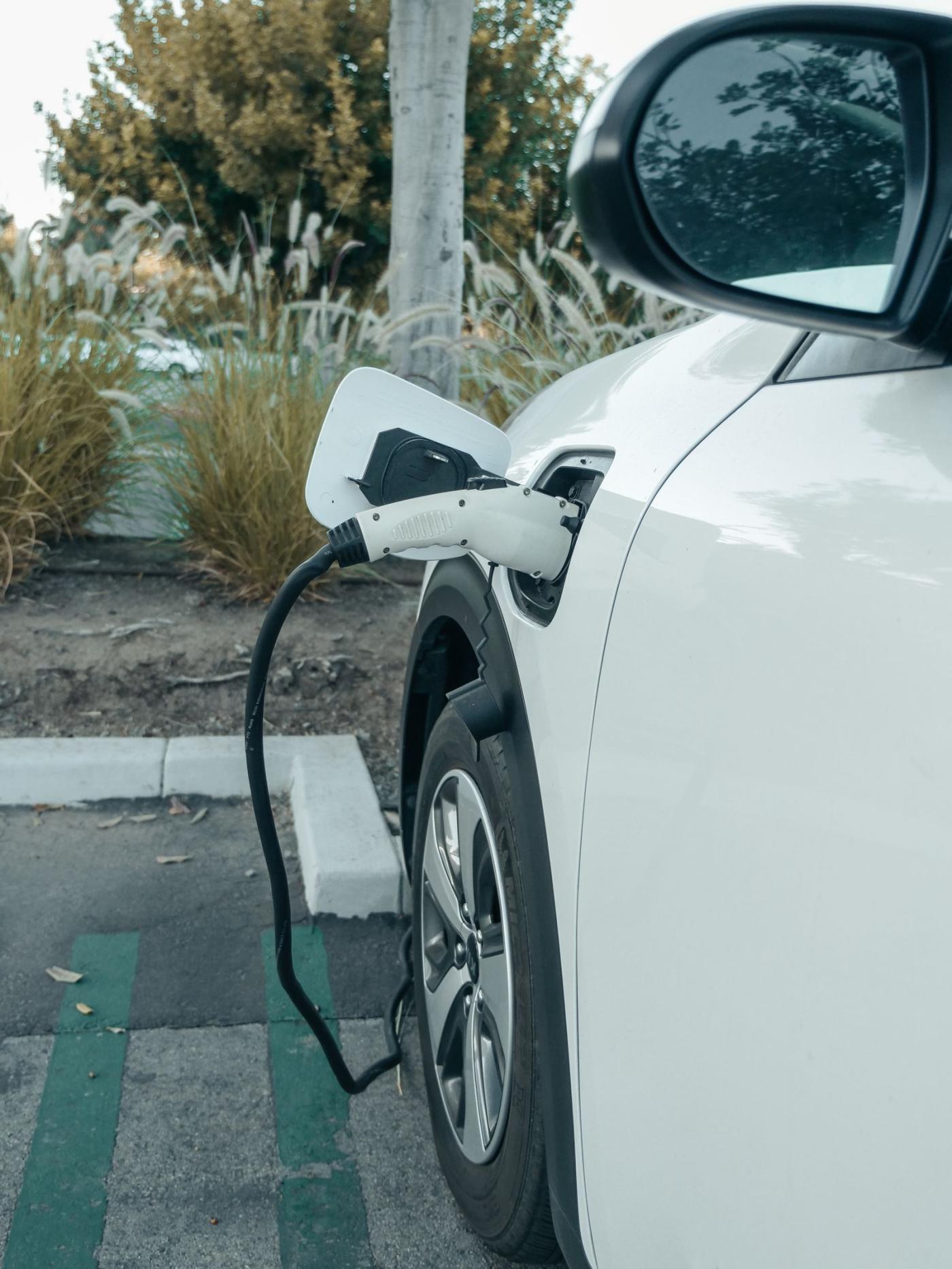
People often ask whether a home charge point is worth it when the car came with a cable that plugs into a normal socket. It is a fair question, and the answer has less to do with speed than most people assume.
The three-pin option
Charging from a standard socket works, but it was never designed for it. A domestic socket supplying around 2.3 kW continuously for eight to twelve hours is being used in a way that is at the edge of its intended duty.
Older sockets, and particularly sockets on circuits with accumulated wear, are where this shows up. Continuous load finds weak connections, and weak connections generate heat.
It is also slow: a realistic overnight charge from a three-pin socket adds relatively little range compared with a dedicated unit.
What a dedicated charge point changes
Three things, in order of importance:
- It is a designed circuit. Dedicated, correctly rated, with protection appropriate to a vehicle charging outdoors.
- It is substantially faster. A typical home unit delivers around three times the rate of a three-pin socket, which turns a marginal overnight charge into a comfortable one.
- It can be scheduled. This is where the money is.
Where the running-cost saving comes from
Not from the charger's efficiency — the difference there is small. It comes from when you charge.
Tariffs with cheaper overnight rates for EV owners are widely available, and the gap between peak and off-peak rates is substantial. A smart charge point that charges during the cheap window, automatically, every night, is the mechanism that captures that.
Doing the same thing manually with a three-pin cable and a good memory technically works. In practice, almost nobody does it consistently.
Load management
Where a property's supply is close to its limit, load management lets the charge point reduce its rate when the rest of the house is drawing heavily — cooking, heating, showering — and increase it again afterwards.
This is often the difference between a charge point being possible and not. It costs a little in charging speed at peak times and saves a supply upgrade.
Practical things people wish they had thought about
- Which side the car's socket is on, and whether the charge point can reach it when the car is parked the way you actually park it.
- Cable management. A tethered cable lying across a driveway in the rain is a nuisance and a trip hazard.
- Lighting. Plugging in on a dark December evening is easier with a light that comes on.
- A second vehicle. If it is likely, mention it at the assessment — planning for it is far cheaper than retrofitting.
Flats and no off-street parking
If you have no allocated parking, the honest answer is that home charging is generally not viable, and the alternatives are public charging or a workplace arrangement. Blocks considering shared charging should approach it as a building project rather than an individual installation.
Getting an assessment
We will tell you what your property can support before anything is ordered. Our EV charging page covers the technical side; call 07832450917 to discuss a specific property.
Keep reading
Related guides
What to Know Before Installing an EV Charger at Home
Home charging is straightforward in a property that can support it. Five things determine whether yours can.
Commercial EV Charging: Planning for More Than One Vehicle
Workplace charging is rarely about one charge point. Designing for the second and third is what keeps it affordable.
Signs Your Consumer Unit May Need Replacing
Not every old board needs replacing — but some genuinely do. Here is how to tell the difference without guessing.