Security Systems: Layers That Work Together
Cameras, lighting, alarms and access control do different jobs. Designed together they work; bought separately they usually do not.
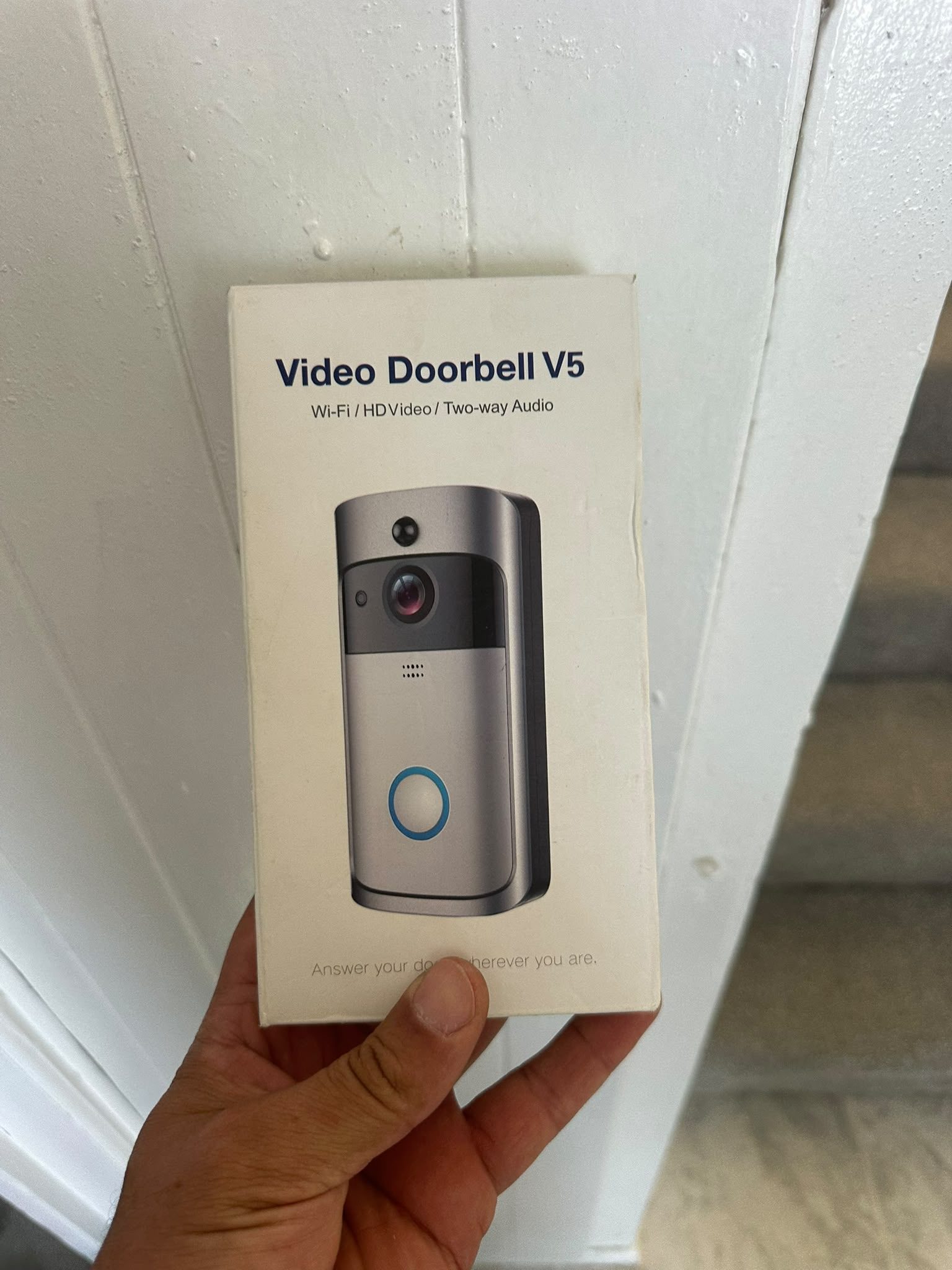
Security equipment is usually bought one item at a time, in response to one incident or one worry. The result is a collection of products rather than a system, and the gaps between them are where it fails.
The components each do something different, and they work best designed together.
Lighting: the first layer
Often the most effective and almost always the cheapest. A well-lit approach removes the cover that makes a property attractive in the first place.
It also makes every other layer work better — cameras in particular, which depend entirely on there being something to see. Poorly aimed lighting, conversely, actively degrades camera performance by pointing directly into the lens.
See our article on outdoor and security lighting for how to aim it properly.
Cameras: evidence and monitoring
CCTV records what happened. It does not prevent much on its own, though visible cameras have some deterrent value.
The critical design question is identification versus monitoring. A camera at head height covering a doorway produces footage in which someone can be identified. A wide view from under the eaves produces footage in which nobody can.
Most systems have too many of the second kind and none of the first.
Alarms: detection and response
An intruder alarm detects entry and raises an alarm. The question that decides its value is what happens next — an audible alarm nobody responds to achieves little, and a monitored system has a response attached.
[INSERT INFORMATION] — confirm whether the business installs intruder alarm systems, so this section can state the position clearly.
Access control: who gets in
In commercial premises, controlling and recording access is frequently more valuable than recording what happens afterwards. Knowing who entered, when, is a different kind of information from footage of them doing it.
Where systems fail
The gap between layers. A camera covering the front door and nothing covering the side access. Lighting at the front and darkness at the back. Security follows the weakest point, not the average.
Nobody looking. Systems nobody checks fail silently — a dead camera, a full hard drive, a disconnected sensor. Discovered, invariably, after the event.
Alarm fatigue. Motion lighting that triggers constantly, or an alarm with regular false activations, trains everyone to ignore it. At that point it has negative value.
Default passwords. Internet-connected cameras with unchanged credentials are actively scanned for. This is the most common way a security system becomes a security problem.
Designing it as one thing
Start with how someone would actually approach the property, and work out from there: where they would come from, where they would be concealed, and where they must pass.
Light those points. Put an identification camera where they must pass. Detect entry. Then check periodically that all of it still works.
Discuss a property
Tell us about the property, the boundaries and what has prompted the question. We will suggest an approach rather than a product list.
Keep reading
Related guides
A Practical Guide to CCTV Installation
Four cameras in the right places beat twelve in the wrong ones. Here is how the right places get decided.
Upgrading an Older CCTV System
You rarely need to start again. Existing cable routes are usually the most valuable part of an old system.
CCTV and Data Protection: What Homeowners Should Know
A domestic camera pointing at the pavement brings legal obligations. In London, that happens more often than people realise.