CCTV and Data Protection: What Homeowners Should Know
A domestic camera pointing at the pavement brings legal obligations. In London, that happens more often than people realise.
Domestic CCTV that only captures your own property is generally outside data protection law. As soon as it captures beyond your boundary — the pavement, a shared driveway, a neighbour's garden — obligations under UK GDPR apply to you personally.
In London's terraced and semi-detached streets, that happens far more often than people expect.
This is a general overview rather than legal advice. If you are unsure about your own installation, take advice from the Information Commissioner's Office.
When the exemption applies
There is an exemption for processing carried out purely for personal or household purposes. A camera covering only your own garden generally falls within it.
Point it at the street, and it generally does not — because you are now processing the personal data of people who have not chosen to be recorded.
What that means in practice
If your system captures beyond your boundary, you should:
- Put up signage saying that recording is taking place and how to contact you.
- Be able to justify the coverage — capturing only what is necessary for your stated purpose.
- Respond to subject access requests. Someone recorded can ask for footage of themselves, and there is a time limit for responding.
- Keep footage only as long as necessary, and delete it thereafter.
- Keep it secure, which includes not leaving default passwords on an internet-connected recorder.
- Consider audio carefully. Audio recording is considerably more intrusive than video and is harder to justify. Most domestic systems should have it switched off.
Neighbours
Most CCTV disputes are between neighbours, and most are avoidable.
The practical steps are straightforward: aim cameras at your own property, use privacy masking to black out areas you do not need, avoid pointing at a neighbour's windows or garden, and tell them what you are installing before you install it.
A short conversation beforehand prevents a great deal of trouble afterwards.
Doorbell cameras
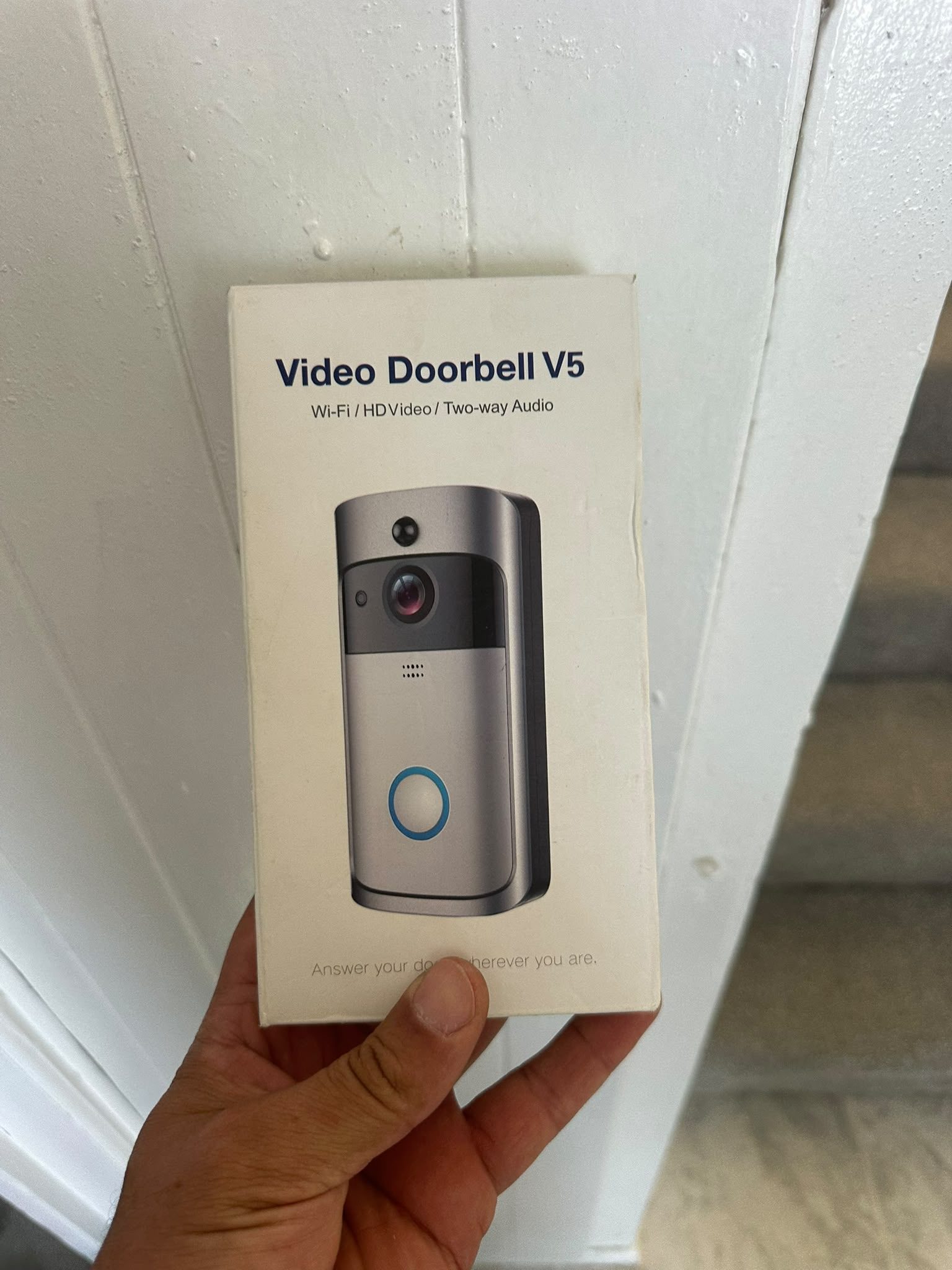
These are the most common case by a distance, because they almost always capture the pavement and often a neighbour's frontage.
The same considerations apply, including audio — doorbell cameras frequently record conversations on the pavement, which is considerably more intrusive than recording images.
Practical steps at installation
When a system is installed, it is worth deciding deliberately:
- What each camera actually needs to see, and masking the rest.
- Whether audio is necessary — usually not.
- How long footage is retained.
- Changing default passwords, without exception.
These are configuration decisions that take minutes at installation and are rarely revisited afterwards.
We will flag it
When we install or upgrade a system we will point out where coverage is likely to bring these obligations into play. The compliance itself remains yours, and the ICO publishes guidance for domestic users that is worth reading. See our CCTV page.
Keep reading
Related guides
A Practical Guide to CCTV Installation
Four cameras in the right places beat twelve in the wrong ones. Here is how the right places get decided.
Upgrading an Older CCTV System
You rarely need to start again. Existing cable routes are usually the most valuable part of an old system.
Security Systems: Layers That Work Together
Cameras, lighting, alarms and access control do different jobs. Designed together they work; bought separately they usually do not.